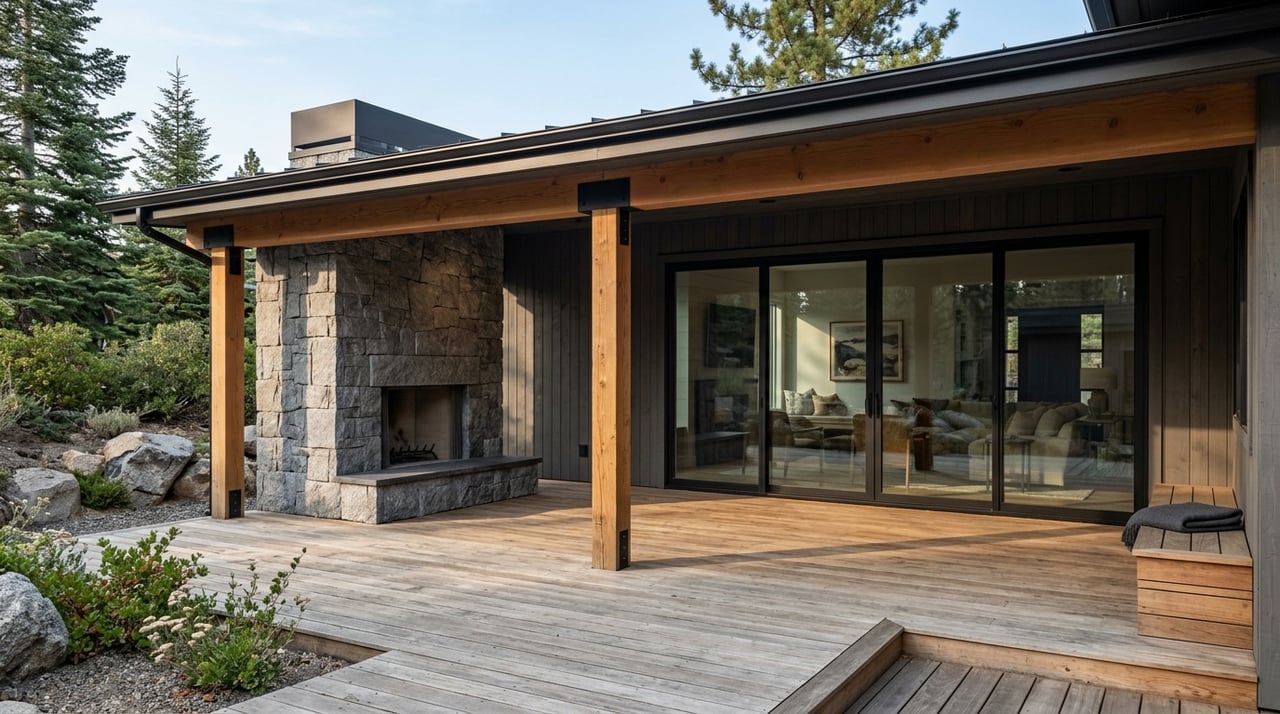
A second home only works if it feels easy to use. In Reno, that balance is what stands out most: you get a full city base with air access, dining, events, and everyday convenience, plus quick routes to the mountains when you want a ski day, trail ride, or cool-weather reset. If you are weighing weekend ownership in northern Nevada, this guide will help you understand what Reno offers, how a typical mountain weekend can flow, and what remote owners should plan for before they buy. Let’s dive in.
Why Reno Works for Weekend Living
Reno gives you a practical mix that many second-home buyers want: city infrastructure paired with fast access to mountain recreation. Reno-Tahoe International Airport describes itself as northern Nevada’s commercial airport and the gateway to and from the region, with 10 airlines, more than 20 nonstop destinations, and more than 130 daily arrivals and departures.
That access matters if you live out of the area and want a home you can actually use often. A second home feels much more realistic when getting in and out of town is straightforward and when your drive to recreation does not eat up the whole weekend.
The mountain side of the equation is equally compelling. Mt. Rose says it is 25 minutes from the airport, Diamond Peak is about 30 miles from Reno-Tahoe International Airport, and Palisades Tahoe says the drive from the airport is about 45 minutes.
For buyers who want a flexible base rather than a purely resort-only setting, Reno offers that middle ground. You can land, settle in, and still have time for dinner downtown, a riverfront walk, or an early start in the mountains the next morning.
Reno’s Four-Season Appeal
Reno is a true four-season base, but it is also a relatively dry one. NOAA climate normals for Reno-Tahoe International Airport show a mean annual temperature of 55.0°F, average annual precipitation of 7.35 inches, and average annual snowfall of 20.9 inches.
Winter brings the snow that supports mountain access and ski weekends, with average snowfall concentrated in January, February, and March. From June through September, snowfall is essentially absent, while average highs reach 93.9°F in July and 92.1°F in August.
That seasonal range shapes how you will likely use a second home. In winter, you may build weekends around ski days and cozy evenings in town. In spring and fall, local trails and shoulder-season outings become easier to enjoy. In summer, many owners look toward higher-elevation escapes and city events after the heat peaks.
What a Typical Weekend Can Look Like
One reason Reno works so well as a second-home base is that your weekend does not need to rely on one single activity. You can build a trip around mountain time first, then shift into downtown time, riverfront recreation, or a local event.
Visit Reno Tahoe’s winter guidance recommends pairing ski days with walks through downtown, the Riverwalk District, and MidTown. The Riverwalk District sits in the heart of downtown along the Truckee River and includes restaurants, bars, and stores, while the City of Reno’s event pages highlight cultural festivals, art installations, music concerts, and local markets.
That gives you options when weather changes or when your group wants a mix of pace and energy. Instead of treating the home as just a place to sleep between mountain outings, you can treat Reno itself as part of the experience.
Winter Weekends in Reno
In winter, the rhythm is simple and appealing. You can head toward Tahoe for skiing or snowboarding during the day, then come back for dinner, drinks, or a walk downtown in the evening.
This pattern works especially well for buyers who do not want every trip to feel highly choreographed. The ability to combine mountain access with a city night out can make a second home feel more spontaneous and more usable.
Spring and Fall Weekends
Shoulder seasons often appeal to buyers who want active weekends without the peak-season rush. The City of Reno lists urban trails such as Peavine, South Meadows, Virginia Lake Loop, Oxbow, Paradise Park, and Tom Cooke, which gives you several close-in options for a quick outing.
Visit Reno Tahoe also highlights the Peavine Trail System north of downtown, mountain-bike loops at North Valleys Regional Park, and Sierra Vista Park’s 200-acre bike trail park. These are the kinds of nearby recreation options that can make even a short Friday-to-Sunday trip feel worthwhile.
Summer Weekends
Summer in Reno can be hot, with average highs above 92°F in July and August at the airport. That is often when higher-elevation trail time becomes more appealing, and downtown events can help round out the weekend once the day cools down.
The City of Reno’s special-events programming adds another layer of flexibility. If your plans change, you still have a built-in roster of city activities that can complement a mountain-oriented lifestyle.
Downtown and Riverfront Matter More Than You Think
For many second-home buyers, the mountain story is what grabs attention first. But downtown Reno and the Truckee River corridor are a big part of what makes ownership practical on shorter stays.
The Truckee River Whitewater Park is more than a scenic backdrop. The City of Reno says it offers easy access and space for concerts, festivals, picnics, and kayaking, which means the riverfront functions as an active recreation zone as well as a social one.
That kind of variety matters when you only have a couple of days in town. If weather, road conditions, or energy levels shift, you still have appealing options close to home without needing to commit to a full mountain day.
What Remote Owners Should Plan For
If you are buying from out of the area, lifestyle is only half the equation. The practical side of unattended ownership matters just as much, especially in a region shaped by wildfire risk, seasonal weather, and location-specific regulations.
Washoe County’s Wildland Urban Interface guidance says the county has adopted the 2024 International Wildland Urban Interface Code and uses fire-hazard severity and defensible-space standards. County emergency guidance also encourages households to have a plan for wildfire, flood, earthquake, and power-outage scenarios.
In practical terms, that means a second home should not be approached as a simple lock-and-leave property. Washoe County wildfire guidance emphasizes debris removal, ember-resistant zones, and clear gutters, all of which point to the value of a local contact, a maintenance plan, and reliable access procedures.
If you are a remote buyer, it helps to think through ownership systems early. You may want a clear plan for property checks, seasonal upkeep, emergency communication, and who can access the home if an urgent issue comes up.
Short-Term Rental Rules Depend on Location
If rental income is part of your second-home plan, the first thing to know is that the rules depend on exactly where the property is located. This is not an area where broad assumptions help.
Washoe County says its short-term rental permit system applies only in unincorporated areas. The county also states that properties inside the City of Reno or Sparks cannot obtain a county short-term rental permit, and that a permit is required before advertising or renting a private residence for fewer than 28 days in the county’s permitted area.
That location difference is important for buyers comparing homes across the broader Reno-Washoe area. The City of Reno has studied accessory dwelling unit and short-term rental policy and has updated its development code, so owners within city limits should verify current local rules before factoring short-term rental income into their plans.
A careful property search should match your lifestyle goals with the right jurisdiction, not just the right house. For some buyers, the best fit is a home intended strictly for personal use. For others, rental flexibility may be a major decision point.
What to Keep in Mind Before You Buy
A Reno second home tends to work best when you match the property to the way you will actually use it. Think about your travel rhythm, whether you want downtown access, how often you expect to ski or ride, and how comfortable you are managing a home from a distance.
A few questions can help guide your search:
- How often will you fly in versus drive in?
- Do you want quick airport access for short stays?
- Will you spend more time on ski weekends, trail weekends, or event weekends?
- Do you want a home that is primarily personal-use, or are you exploring rental potential where allowed?
- What level of local support will you need to manage seasonal upkeep and emergency readiness?
These details may sound operational, but they shape whether a second home feels effortless or complicated. The right purchase is not just about scenery. It is about fit, access, and confidence in how the home will function over time.
Reno stands out because it gives you more than one way to enjoy a weekend. You can build around the slopes, the trails, the riverfront, or downtown, then adapt as the season changes. For buyers who want mountain access without giving up convenience, it offers a flexible and very usable second-home base.
If you are exploring mountain and second-home opportunities in the greater Tahoe region, Frick n' Blazer Group offers a high-touch, remote-friendly approach designed to help you evaluate lifestyle fit, location strategy, and property potential with confidence.
FAQs
How close are ski areas to Reno for a second-home weekend?
- Mt. Rose says it is 25 minutes from Reno-Tahoe International Airport, Diamond Peak is about 30 miles from the airport, and Palisades Tahoe says the drive is about 45 minutes.
Is Reno a good four-season base for a second home?
- Yes. NOAA climate normals show warm summers, winter snowfall, and a relatively dry overall climate, which supports a wide range of seasonal weekend use.
What should remote second-home owners in Reno plan for?
- Washoe County guidance points to wildfire defensible space, debris and gutter maintenance, and emergency planning for events such as wildfire, flood, earthquake, or power outages.
Can you use a Reno-area second home as a short-term rental?
- It depends on the property location. Washoe County says its permit system applies only in unincorporated areas, and properties inside the City of Reno or Sparks cannot obtain a county short-term rental permit.
Why does downtown Reno matter for second-home buyers?
- Downtown adds flexibility to short stays with the Riverwalk District, MidTown, city events, and Truckee River recreation, so your weekend does not need to depend only on mountain conditions.