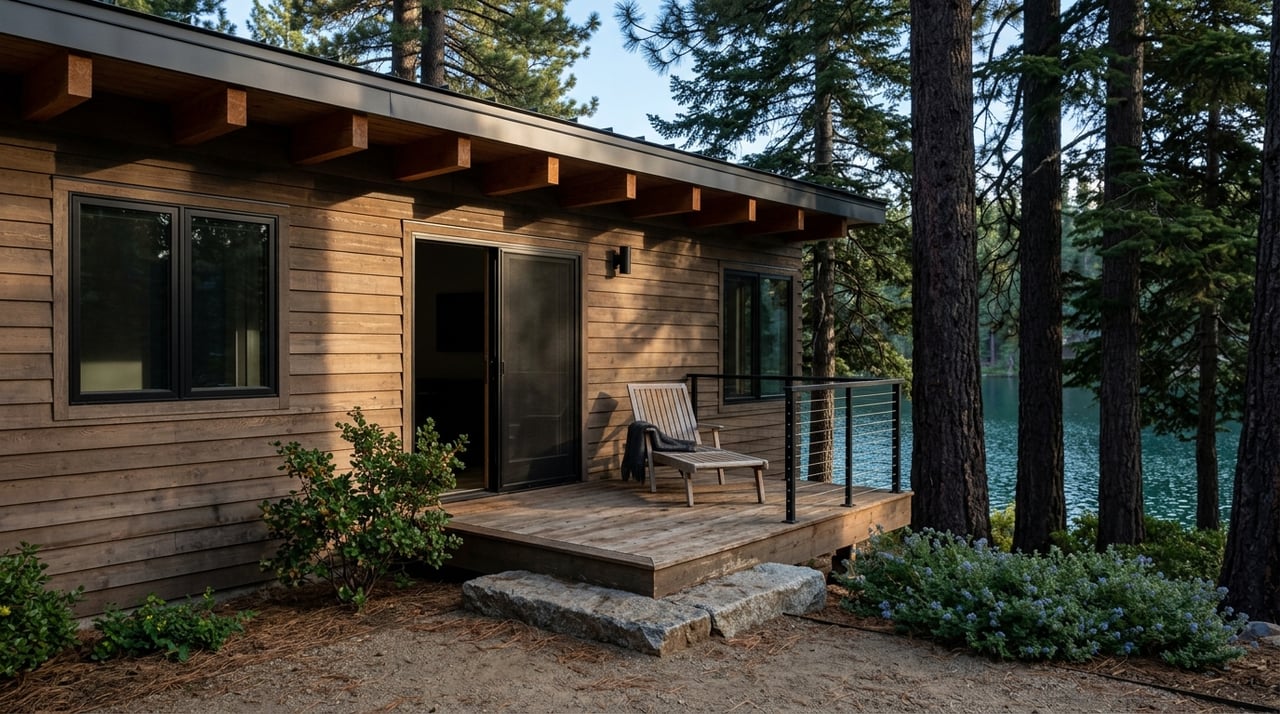
Wondering what summer really feels like on Tahoe’s West Shore? It is one of those rare stretches of shoreline where a beach morning, trail afternoon, and casual waterfront dinner can all fit into one day. If you are exploring the area as a visitor, future buyer, or homeowner thinking long term, this guide will help you understand the places, patterns, and practical details that shape summer on the West Shore. Let’s dive in.
Why West Shore Feels Different
Tahoe’s West Shore is less about a single downtown and more about a connected lifestyle along Highway 89. The corridor runs along nearly 12 miles of undeveloped shoreline, beach access points, trailheads, and residential neighborhoods, creating a rhythm that feels scenic, low-key, and outdoors-first.
On the southern end, places like Emerald Bay, D.L. Bliss, and Meeks Bay define the summer experience. Farther north, the broader West Shore continues toward Tahoe City, tying together shoreline recreation, small community nodes, and classic Tahoe neighborhoods.
For many buyers, that distinction matters. The West Shore often feels more like a shoreline lifestyle corridor than a resort district, which is part of its lasting appeal.
West Shore Beaches to Know
Emerald Bay State Park
Emerald Bay is the signature landmark on the West Shore and one of Tahoe’s most recognized summer destinations. It is a National Natural Landmark known for hiking, swimming, kayaking, boating, sightseeing, Vikingsholm, and the Tea House on Fannette Island.
One practical note is important here. There is no vehicle access to the lakeshore or to Vikingsholm, so you reach the area by walking from the parking lot or via the Rubicon Trail.
D.L. Bliss State Park
D.L. Bliss is one of the West Shore’s standout beach-and-trail stops. The park features Lester Beach, Calawee Cove, the Rubicon Trail, Lighthouse Trail, and Balancing Rock, and it is open for day use from sunrise to sunset.
Lester Beach is especially popular for launching kayaks, paddleboards, and canoes. If your ideal Tahoe day includes both time on the water and a scenic hike, this is one of the most flexible spots on the shore.
Meeks Bay
Meeks Bay offers an easiergoing beach-day feel. About 10 miles south of Tahoe City and eight miles north of Emerald Bay, it is known for white sand beaches, water sports, and a visitor center with a snack bar and gift shop.
This is the kind of place that works well for a relaxed summer routine. Instead of feeling formal or highly programmed, it functions more like an easy base for a beach afternoon.
Sugar Pine Point State Park
Sugar Pine Point adds a different layer to the West Shore story. With nearly two miles of lake frontage, dense forest, and the historic Hellman-Ehrman Mansion, it brings together shoreline beauty and the area’s older Tahoe estate character.
For anyone trying to understand the architectural and historic feel of the West Shore, this park offers a strong sense of place. It helps explain why this side of the lake often feels rooted, preserved, and quietly distinctive.
Trails and Backroads Shape Daily Life
West Shore Trail
The paved West Shore Trail is one of the area’s most important summer assets. It is part of a 23-mile multi-use trail system, and the route now spans about 12 miles from Tahoe City to Meeks Bay.
That kind of connectivity changes how you experience the area day to day. It supports bike rides, walks, and car-free stretches of summer movement that make the shoreline feel more livable, not just visitable.
Meeks Bay Trail
If you want a quieter, more wooded trail experience, Meeks Bay Trail is a great example. It begins at Meeks Bay, follows Meeks Creek, and gradually reaches Desolation Wilderness after a gentler opening section.
The Forest Service notes that peak wildflower season is usually late June through July. In summer, that gives the trail a softer, more alpine feel than the shoreline routes.
Tahoe Rim Trail
The Tahoe Rim Trail gives the West Shore a broader backcountry identity. This non-motorized trail system circles the lake for 166.6 miles and is generally open to hikers, equestrians, and mountain bikers, with some segment restrictions.
Even if you do not plan to tackle a major section, its presence matters. It reinforces how closely the West Shore connects lake living with bigger mountain access.
Rubicon Trail Clarified
The Rubicon name can mean two different things, and that causes confusion. The scenic Rubicon foot trail around Emerald Bay is a moderate to strenuous hiking route with multiple access points.
Separately, the Forest Service identifies the Rubicon Trail, also called Forest Road 14N34, as a motorized 4x4 and ATV route from the West Shore to Loon Lake. If you are planning a day out, it helps to know which Rubicon people mean.
Summer Rhythm Along Highway 89
The practical side of West Shore living matters just as much as the scenery. State Route 89 is a two-lane mountain highway lined with trailheads, beach access, and residential neighborhoods, and summer traffic and parking pressure are a real part of the experience.
That does not mean summer is difficult. It means the best West Shore days usually come with a little intention, especially if you are timing beach stops, trail access, or dinner plans.
The same is true for beach logistics. The Forest Service notes that most National Forest beaches and picnic areas charge parking fees and generally operate from 8 a.m. until sunset from Memorial Day through mid-October.
Another useful detail is that campfires are not allowed on beaches or picnic areas. That rule shapes the tone of summer evenings and reinforces the more orderly, planned feel of lake access here.
Where Summer Evenings Tend to Land
Chambers Landing
Chambers Landing is one of the clearest examples of the West Shore’s laid-back dining rhythm. It is open daily in summer from 11:00 a.m. to 8:30 p.m. and welcomes guests arriving by land or by water.
That combination gives it a distinctly Tahoe feel. It works well as a casual waterfront gathering place after a beach day or a trail outing.
Sunnyside
Sunnyside is better understood as a lively social hub than a quiet escape. In summer, its restaurant is open daily from 11:00 a.m. to 10:00 p.m., and the property specifically notes that it is not a quiet getaway because lakefront rooms sit above the restaurant and bar.
That honesty helps set expectations. If you like energy, activity, and a more social waterfront scene, Sunnyside plays an important role in the West Shore mix.
West Shore Cafe Status
If you are familiar with West Shore Cafe, the current update is simple. Renovations are underway, and the property is being reimagined primarily for homeowners and guests, so it is not currently taking reservations for daily dining or weddings.
The shoreline itself remains publicly accessible. For summer planning, it is helpful to think of this as a status note rather than a dining stop right now.
What Buyers Should Notice
Summer on the West Shore is beautiful, but it is also instructive. The combination of preserved shoreline, residential neighborhoods, historic summer-house character, and strong recreation access tells you a lot about how the area lives year after year.
If you are considering buying here, the lifestyle is often as important as the property itself. You are not just choosing a house or condo. You are choosing how close you want to be to beaches, trails, Highway 89 access, and the daily pace that comes with summer on this side of the lake.
There is also a practical ownership layer worth understanding. Shoreline ownership and improvements are heavily regulated, and TRPA rules can affect shorezone structures, land coverage, and development on sensitive parcels.
That means remodels, additions, and shoreline work can be more site-specific than they would be in a typical inland market. For buyers, design potential and use should always be looked at in the context of the property’s specific setting.
What Summer Weather Means Day to Day
West Shore summer weather is comfortable, but it is not one-note. Daytime temperatures commonly run around 75 to 80 degrees, while nights can dip into the low 40s.
That swing is part of the charm, but it also shapes how you plan your days. Layers are the smart move, especially when your schedule includes time on the lake, in the forest, and out to dinner later on.
Mountain weather can also change quickly. If you are spending a full day between beaches and backroads, flexibility is part of doing summer well.
Why This Lifestyle Has Staying Power
The West Shore stands out because it blends access and restraint. You have beaches, coves, trails, scenic drives, and casual summer gathering spots, but you also have long stretches of undeveloped shoreline and a built environment that feels lower density and more historically rooted.
That balance is what gives the area its enduring character. It is active without feeling overly built, social without losing its quieter edges, and scenic in a way that still feels connected to everyday life.
If you are trying to picture where your Tahoe summers could unfold, the West Shore makes a strong case for itself. And if you want guidance that connects lifestyle, property fit, and the realities of buying along this stretch of shoreline, Frick n' Blazer Group can help you navigate it with local insight and a thoughtful, high-touch approach.
FAQs
What is the West Shore area of Lake Tahoe?
- The West Shore is a California-side recreation corridor along Highway 89 with nearly 12 miles of undeveloped shoreline, beach access, trailheads, and residential neighborhoods, extending from near South Lake Tahoe toward the county line at Tahoma.
What are the best-known summer beaches on Tahoe’s West Shore?
- The best-known spots include Emerald Bay State Park, D.L. Bliss State Park, Meeks Bay, and Sugar Pine Point State Park, each offering a different mix of shoreline access, scenery, and recreation.
What should you know before visiting Emerald Bay State Park?
- You should know that there is no vehicle access to the lakeshore or Vikingsholm, so visits require a walk from the parking lot or access via the Rubicon Trail.
What trail options are available on Tahoe’s West Shore?
- The West Shore includes the paved West Shore Trail, the Meeks Bay Trail, access to the Tahoe Rim Trail, and the scenic Rubicon foot trail near Emerald Bay.
What is the difference between the Rubicon hiking trail and the Rubicon motorized route?
- The Rubicon foot trail near Emerald Bay is a hiking route, while the Rubicon Trail identified as Forest Road 14N34 is a separate motorized 4x4 and ATV route from the West Shore to Loon Lake.
What summer access rules matter on West Shore beaches?
- Many National Forest beaches and picnic areas charge parking fees, generally operate from 8 a.m. until sunset from Memorial Day through mid-October, and do not allow campfires.
What should buyers know about owning property on Tahoe’s West Shore?
- Buyers should know that shoreline improvements, land coverage, and development on sensitive parcels can be heavily regulated, so remodels and additions are often highly site-specific.
What is summer weather like on Tahoe’s West Shore?
- Summer days commonly reach about 75 to 80 degrees, nights can fall into the low 40s, and layered clothing is recommended because mountain weather can change quickly.