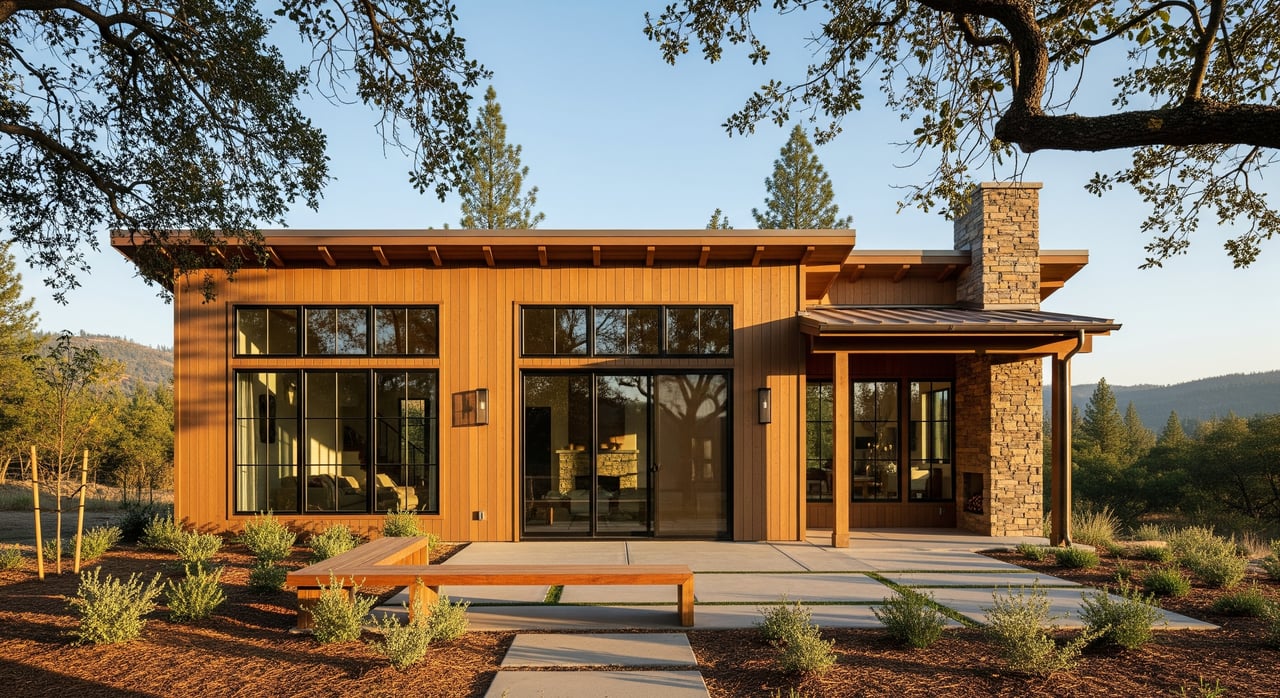
Thinking about adding a backyard cottage or converting space over your garage in Nevada City or Grass Valley? You’re not alone. Many homeowners want flexible space for family, a long-term rental, or a future-ready work studio. In this guide, you’ll learn the essentials of ADUs in the Cities of Grass Valley, Nevada City and unincorporated Nevada County, from definitions and rules to permits, costs, and next steps. Let’s dive in.
ADU basics you should know
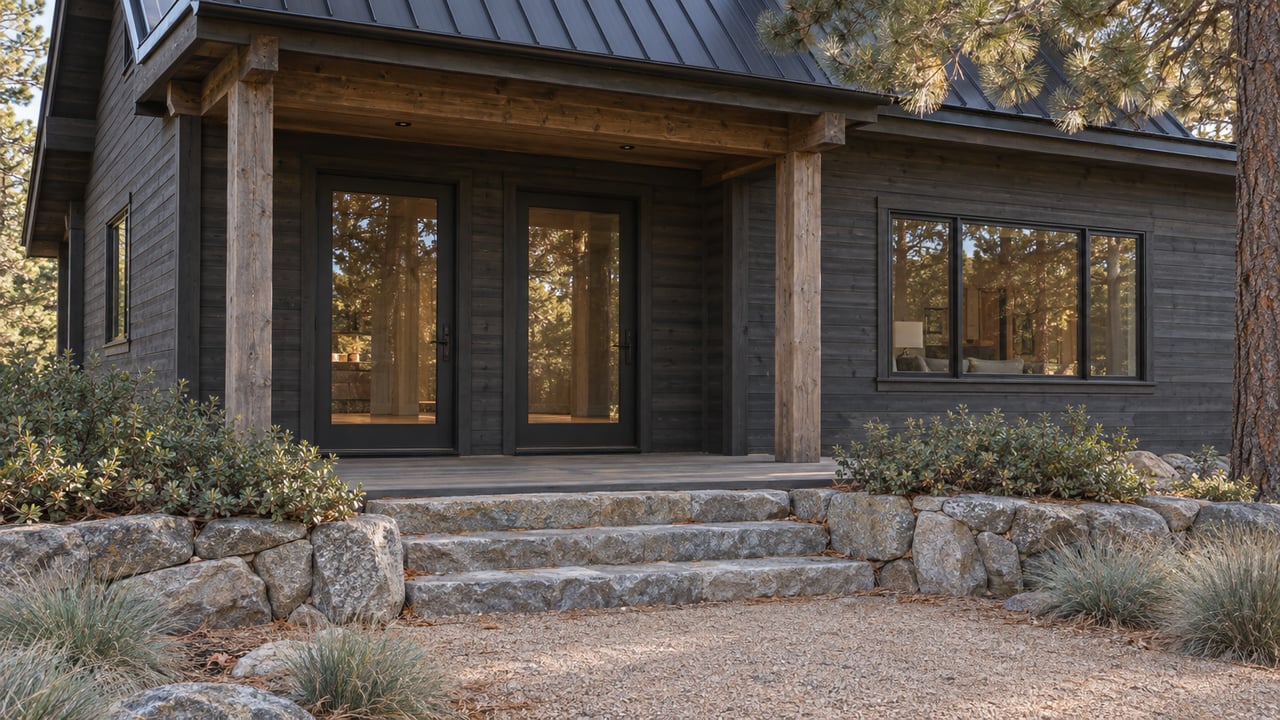
An accessory dwelling unit is a secondary home on the same lot as your main house. Common types include:
- Detached ADU: a separate small home in the yard.
- Attached ADU: an addition that shares a wall with the main house.
- Junior ADU (JADU): a converted space within the existing home, typically up to 500 square feet.
State law sets the foundation for ADUs, including size frameworks, parking limits in many cases, and streamlined reviews for compliant plans. For an overview, review the California Department of Housing and Community Development’s ADU guidance and resources from HCD and the official California ADU statutes. Building requirements follow California’s Title 24 standards, which you can explore via the California Building Standards Commission.
City or County: confirm your jurisdiction
Your first step is to confirm whether your property sits inside the City of Grass Valley, Nevada City or in unincorporated Nevada County. City parcels are reviewed by the City of Grass Valley Planning and Building teams. County parcels go through Nevada County Planning & Building Services.
- City resources: City of Grass Valley Planning and Building
- County resources: Nevada County Planning & Building Services
Rules, fees, and workflows can differ, so this check makes everything else smoother.
Key rules that shape your project
State law limits how local agencies can regulate ADUs, especially around parking, unit sizes, and timelines for review. Local zoning still applies, but it must fit within state requirements. To understand the backbone of these protections, consult HCD’s ADU guidance and the relevant Government Code sections. Title 24 building codes also guide energy, fire, and construction standards via the Building Standards Commission.
Local factors to check early
- Zoning and lot coverage. Confirm your parcel’s zoning, setbacks, height limits, and any lot-coverage or FAR caps with the City or County.
- Sewer vs. septic. Many city lots connect to sewer. Some county lots rely on septic, which can limit ADU size or trigger upgrades through Nevada County Environmental Health.
- Utilities. Plan for water, sewer, and electric capacity checks and potential meter or panel upgrades.
- Wildfire readiness. Grass Valley, Nevada City and Nevada County are wildfire-prone. Expect defensible space requirements and ignition-resistant materials. See CAL FIRE’s Fire Hazard Severity Zone maps.
- Historic overlays. Historic districts may involve design review.
- Short-term rentals. If you’re considering vacation rentals, check City or County short-term rental rules separately from ADU regulations.
- Title and easements. HOA rules, deed restrictions, or easements can limit placement and use.
Your permitting roadmap
Follow this high-level path to move from idea to keys-in-hand:
- Confirm jurisdiction and zoning. Verify if you are in the City or County and whether ADUs are an allowed use on your lot.
- Request a pre-application check. Ask planning staff to flag setbacks, coverage, height, parking, wildfire, or overlay issues.
- Complete a site evaluation. Gather a site plan, survey, and the locations of easements, utilities, driveway, and septic if applicable.
- Prepare design and documents. Create site plans, floor plans, elevations, and structural or energy details. JADUs require specific fire separation and building compliance.
- Coordinate utilities. Check water, sewer, and electric capacity and metering needs. If on septic, contact County Environmental Health early.
- Submit your building permit. Include planning sign-off, construction drawings, Title 24 energy forms, and required checklists.
- Navigate plan check. Respond to building, planning, fire, and environmental health comments with revisions.
- Build, inspect, and finalize. Schedule inspections and obtain final approval for occupancy.
Typical documents you’ll need
- Site plan showing property lines, setbacks, buildings, driveway, utilities, and septic if any.
- Floor plans and elevations for the ADU and any main-home changes.
- Structural details, energy compliance, and plumbing/electrical plans.
- Septic evaluation or upgrade plan where required.
- Fire safety or defensible space plan in high fire severity zones.
Timelines and fees
State law calls for streamlined reviews for compliant ADUs, but exact timelines vary with jurisdiction workload and project complexity. Plan for several weeks to a few months for plan check, plus your construction schedule. Expect plan check and building permit fees and, where applicable, connection or capacity fees for water and sewer. Some jurisdictions offer fee reductions for specific ADU types; always confirm current local policy.
Smart use cases and value
Homeowners in Grass Valley, Nevada City and the Nevada County foothills often pursue ADUs for:
- Multi-generational living with privacy for parents or adult children.
- Long-term rental income to improve cash flow and overall ROI.
- Guest, office, or studio space to enhance daily living without leaving the neighborhood.
Value outcomes depend on location, ADU design and finishes, and proximity to both downtown Grass Valley and downtown Nevada City, amenities, and employment centers. Short-term rental rules, if you plan vacation rentals, may affect projected revenue and should be evaluated separately. An ADU can boost future resale appeal, especially for buyers seeking rental income or flexible living. Keep insurance and potential property tax changes in mind and consult local pros where needed.
Cost, finance, and build strategy
Every site and scope is different, especially with hillside terrain, wildfire standards, and possible septic upgrades. Common financing paths include cash, HELOCs, cash-out refinances, construction loans, or personal loans. If rental income matters for your plan, discuss how lenders view ADU income when qualifying.
Construction costs vary with type and complexity. Interior conversions or JADUs often move faster than new detached units. Get 2 to 3 quotes from ADU-experienced designers and contractors, and confirm they have local references and familiarity with City or County processes.
Insurance needs can change after adding a rental unit, and improvements may affect assessed value. Consult your insurance provider and a tax professional for specifics.
Design and livability tips
- Parking and access. Even if code waives some on-site parking, plan practical access and safe parking for daily use.
- Privacy. Use orientation, windows, and landscaping to balance togetherness with separation.
- Property management. If you rent your ADU, decide whether to self-manage or hire a manager and follow local tenant laws.
Your next steps checklist
- Confirm whether your property is in the City of Grass Valley, City of Nevada City or unincorporated Nevada County.
- Verify zoning, setbacks, and any overlays with the City or County.
- Identify sewer vs. septic and contact Nevada County Environmental Health if on septic.
- Schedule a pre-application meeting with planning staff.
- Assemble a basic site plan showing structures, setbacks, easements, and utilities.
- Decide on ADU type and intended use, and review short-term rental rules if applicable.
- Coordinate early with water, sewer, and electric providers for capacity and metering.
- Get preliminary design and construction quotes from ADU-experienced local pros.
- Explore financing and speak with a tax professional about assessment and rental income.
- Prepare for wildfire standards, including defensible space.
Trusted public resources
- City process and contacts: City of Grass Valley Planning and Building
- County process and Environmental Health: Nevada County Planning & Building Services
- Statewide ADU guidance and law: California HCD ADU resources and California ADU statutes
- Building code standards: California Building Standards Commission
- Wildfire hazard mapping and guidelines: CAL FIRE
Let’s map your ADU and market strategy
Whether you want multi-gen flexibility, long-term rent, or a guest studio, the right ADU can elevate livability and long-term value. If you’re weighing which properties are ADU-friendly, want to stress-test rental projections, or need introductions to local designers and builders, the Frick n' Blazer Group can help you plan with confidence.
FAQs
What is the difference between an ADU and a JADU in California?
- An ADU is a secondary home on your lot that can be detached or attached, while a JADU is created from existing space inside the home and is typically up to 500 square feet.
How do I know if City or County rules apply to my Grass Valley or Nevada City property?
- Check if your address is inside City of Grass Valley or City of Nevada City limits or in unincorporated Nevada County, then contact the matching planning and building office for guidance.
Do Grass Valley ADUs require new parking spaces?
- State law restricts when local agencies can require off-street parking for ADUs, but you should confirm current local standards with planning staff and review HCD’s ADU guidance.
Can I build an ADU on a property with a septic system in Nevada County?
- Possibly, but feasibility depends on septic capacity and site conditions; Nevada County Environmental Health may require evaluations or upgrades before approval.
How long does ADU permitting take locally?
- State rules call for streamlined review of compliant ADUs, but real timelines vary by workload and project complexity; expect several weeks to a few months for plan check.
Can I use an ADU as a short-term rental in Nevada City or Grass Valley?
- Short-term rentals are regulated separately from ADUs and may be limited; confirm the latest City or County rules before assuming nightly rental income.