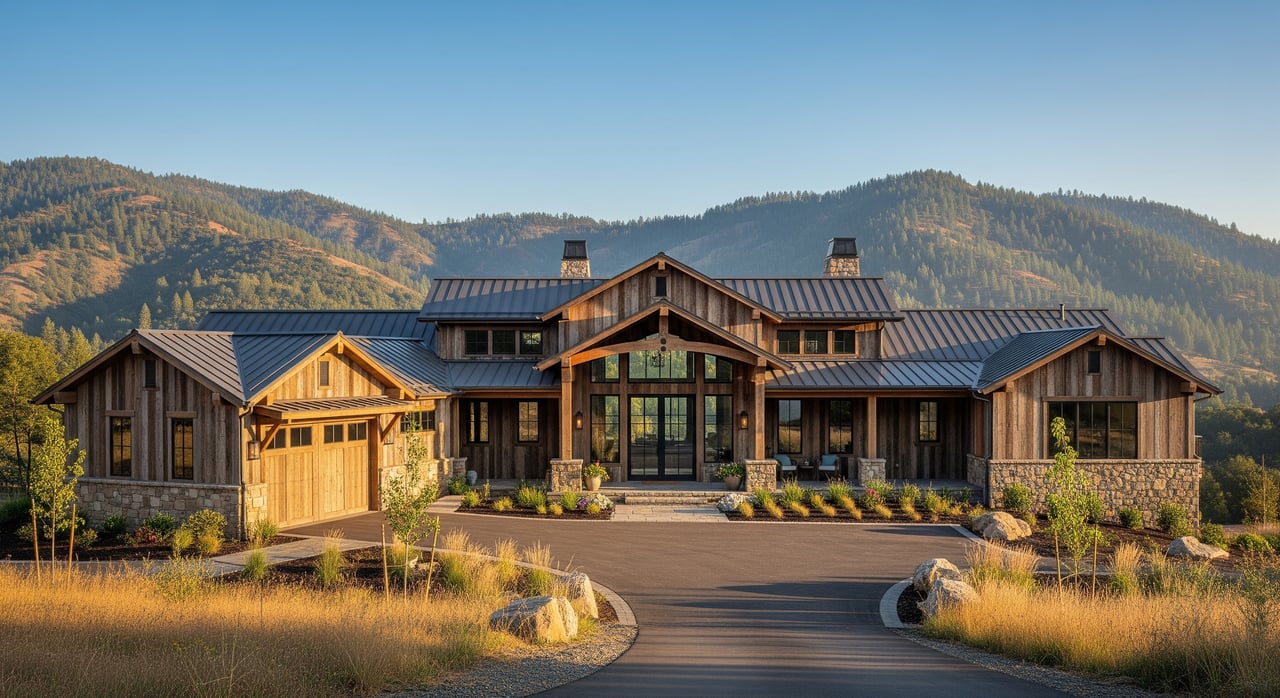
Thinking about a foothill move but unsure where to start? If Grass Valley or Nevada City has caught your eye, you are not alone. Many buyers look here for historic charm, outdoor access, and a slower pace that still keeps daily needs close by. In this first look, you will get a clear sense of what living in Grass Valley and Nevada City, Nevada County, California can feel like, plus the key checks to make before you buy. Let’s dive in.
Grass Valley & Nevada City at a glance
Both Grass Valley and Nevada City are small Sierra Nevada foothill cities with deep Gold Rush roots. You will see preserved Victorian architecture, a walkable historic core, and a local arts and small-business scenes. These areas blend in-town neighborhoods with nearby rural parcels and acreage, which gives you a lot of lifestyle choice.
Their climates follow a classic foothill pattern. Summers are generally hot and dry, while winters are cool and wet, with occasional snow. Microclimates can vary by elevation and topography, so temperatures and precipitation can shift from one hillside to the next.
Who is moving here
You will meet a mix of remote professionals, retirees, and second‑home owners from the Bay Area and Sacramento. Some buyers want a historic home near downtown. Others look for a cabin or custom build on acreage. If you enjoy trails, rivers, and a small-town rhythm, Grass Valley aligns well with that lifestyle.
Homes and neighborhoods
You can find a wide variety of property types, which makes home shopping interesting and highly personal.
- Historic Victorians and early 20th‑century homes are common near downtown.
- Craftsman bungalows, cottages, and modest single‑family homes line established streets.
- Ranch‑style homes and newer subdivisions appear in post‑war through recent builds.
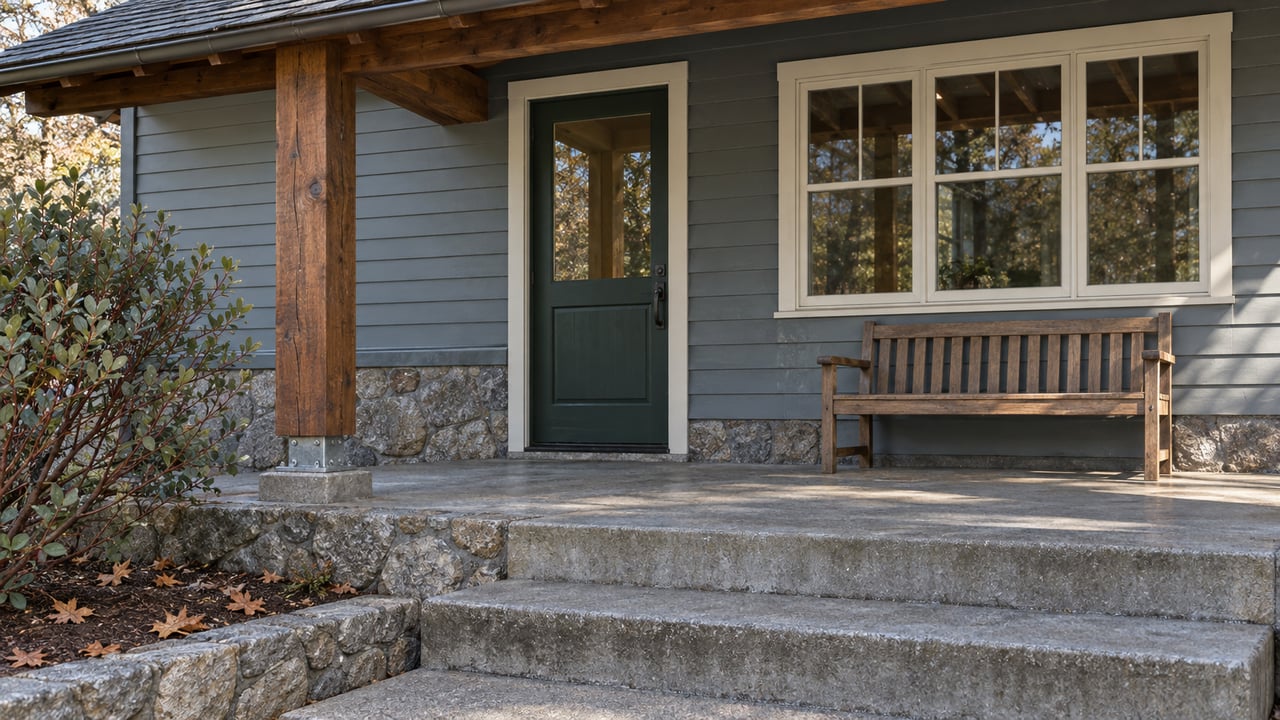
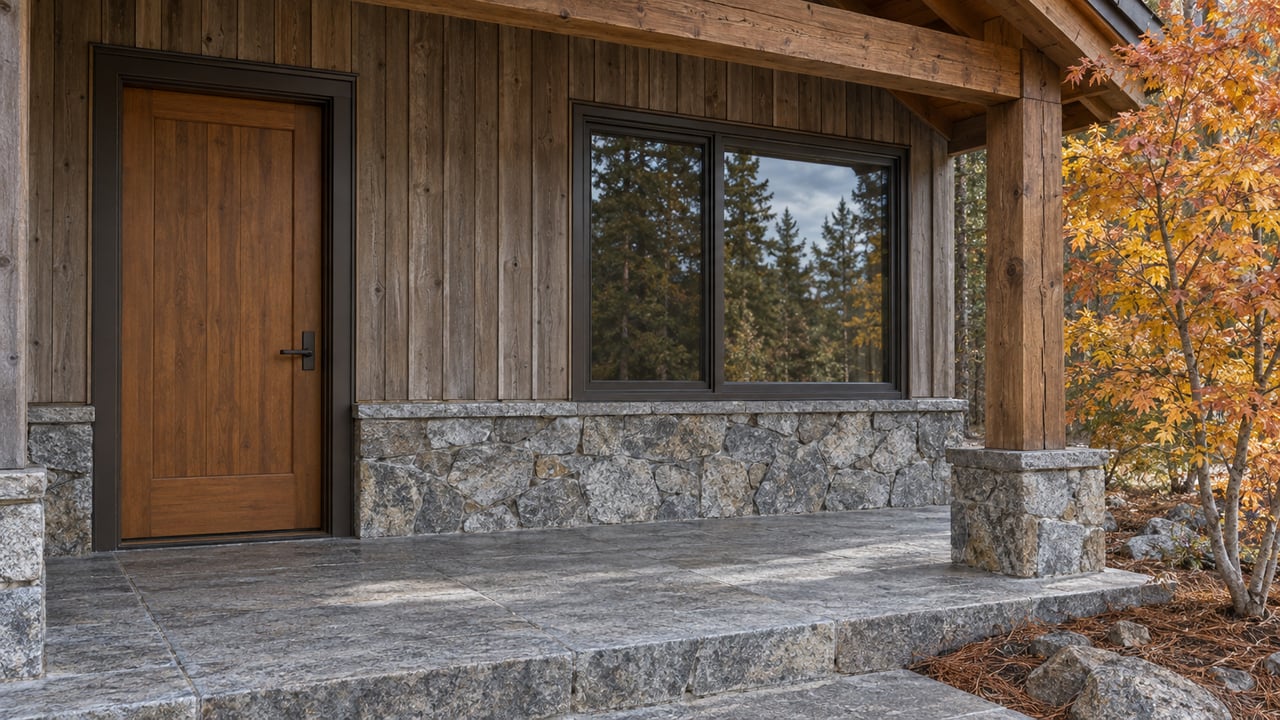
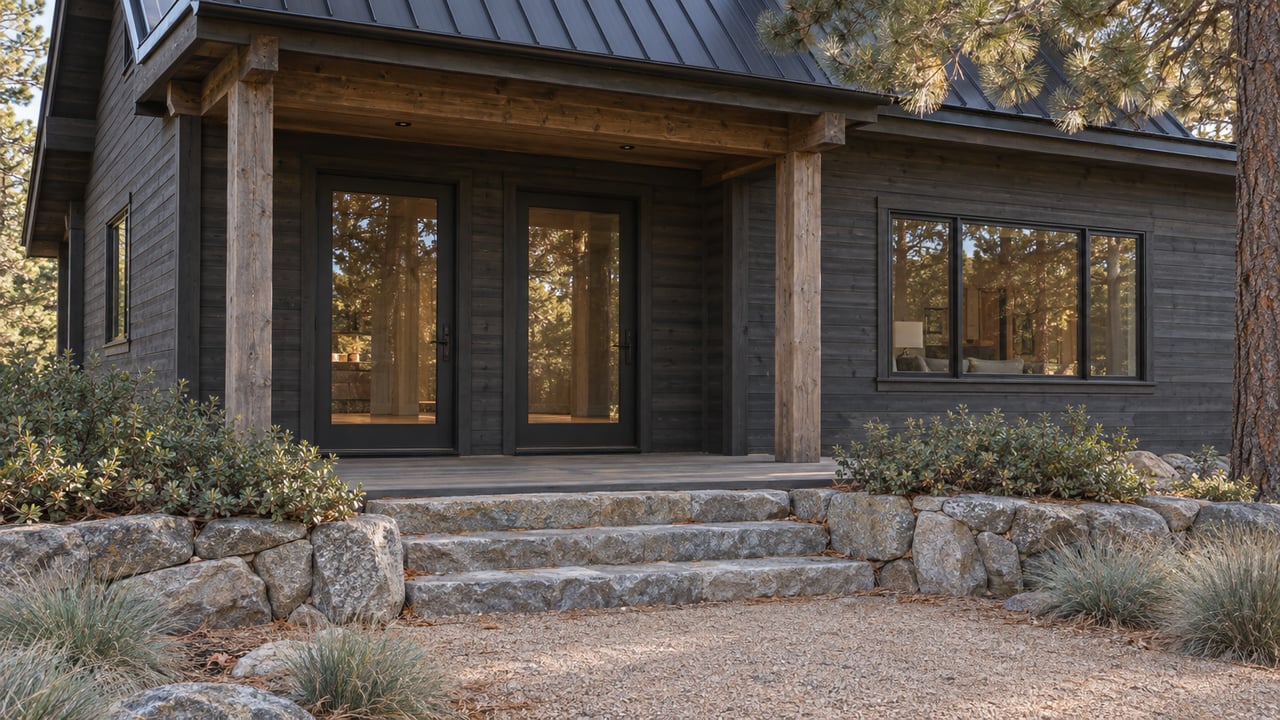
- Rural parcels host cabins, custom homes, and timbered acreage.
- Condos and townhomes exist, though supply is smaller than single‑family.
If you are drawn to older homes, plan for condition and permitting checks. If you prefer low maintenance, newer construction or town settings may fit better. Rural properties reward privacy and land but often come with wells, septic systems, and a different maintenance rhythm.
Pricing and inventory basics
Local pricing shifts with inventory and season. Entry points can be lower than nearby metro areas for some smaller homes or condos, but availability changes month to month. Most single‑family homes span a wide range based on lot size, condition, and proximity to downtown. Well‑restored historic properties and acreage often command a premium.
Out‑of‑area interest can pressure desirable listings, especially move‑in‑ready homes in great locations. Unique properties can trade quickly when priced right, though some historic and rural homes take longer depending on condition and access. For exact numbers, use current MLS data and a local agent’s comp set, and expect variability across micro‑neighborhoods and property types.
Everyday life and essentials
Daily needs are easy to manage in town. You will find grocery stores, hardware, banking, and medical clinics. Specialty services are available in the region, and larger medical facilities are accessible in bigger hubs. Public schools are operated by local districts. Because boundaries and performance change, verify current information through the Nevada County Office of Education and district sites.
Each of their historic downtowns are a highlight. Independent shops, galleries, and restaurants shape the feel, and small festivals and cultural events are part of the Gold Country calendar. If you value a lively yet small‑scale main street, you will likely spend a lot of time there.
Outdoor access and nearby attractions
Empire Mine State Historic Park is a signature destination with preserved mining history and miles of trails. You can also access hiking, mountain biking, and river time across nearby parks and creek corridors. Larger Sierra recreation is within a multi‑hour drive, including Tahoe and high‑country ski areas, which makes weekend trips practical if you plan ahead.
Getting around and travel times
Grass Valley and Nevada City both sit within a few miles of each other in the foothills with multi‑hour drive times to major metros. Plan roughly 1 to 2 hours to Sacramento, longer to the Bay Area and Tahoe depending on origin, traffic, and weather. Always check current conditions before you go, especially during winter or wildfire season.
Key risks and what to verify
Understanding local realities will help you buy with confidence. Build these checks into your due diligence.
Wildfire exposure
The Sierra foothills include higher wildfire risk zones. Insurance availability and cost can vary by address. Ask sellers about past mitigation work, defensible space, and any inspection reports. Review CAL FIRE hazard maps and your local fire district guidance, and budget for home hardening and vegetation management where needed.
Water, sewer, and rural systems
Many in‑town homes connect to municipal water and sewer. Rural parcels often rely on private wells and septic systems. Lenders and appraisers have specific requirements for both. Plan to order well flow and water quality tests, septic inspections, and any needed permits or certifications.
Older‑home considerations
Historic and mid‑century homes can carry era‑specific maintenance items. Common findings include aging roofs, older wiring, galvanized plumbing, chimney or masonry repairs, lead paint in pre‑1978 homes, and hillside drainage or foundation issues. A full home inspection plus specialists for roof, chimney, pest, and electrical is a smart move.
Slope, flood, and other hazards
Steeper or hillside parcels may need soils and geotechnical review, and some low‑lying areas near creeks can sit within flood zones. Use county maps, FEMA flood resources, and local planning tools to confirm a property’s exact exposure.
Utilities, internet, and cell service
In‑town addresses generally have broader options for utilities and internet. Rural parcels can be limited or rely on DSL, fixed wireless, or satellite. Always verify internet and cellular coverage by address with providers. If you rely on remote work, confirm this early in your search.
Historic‑district rules
If a property sits in a designated historic district, the city may require design review for exterior changes. Before you plan a renovation, check with the City of Grass Valley or City of Nevada City planning and historic preservation offices for guidelines and permit steps.
Smart steps for buyers
Set yourself up for a smooth purchase with a clear plan.
- Review a current MLS snapshot with a local agent and confirm realistic price bands for your criteria.
- Confirm utilities by address. If on well and septic, include inspections and testing in your contingencies.
- Check wildfire hazard maps and talk to insurance brokers early about coverage and cost.
- Order a full home inspection and add specialists for roof, chimney, pest, well, septic, and soils where applicable.
- Request seller disclosures, maintenance records, and permit history, especially for older or historic homes.
- Verify school enrollment zones, commute times, and nearest medical facilities if these impact your daily life.
- Confirm internet and cellular service meets your remote work needs.
- Check with city or county planning for any historic‑district rules, zoning questions, or permit requirements.
Buying strategies in a variable market
In towns with varied housing stock, the right strategy keeps you flexible.
- Get pre‑approved and share your preferred timeline. Sellers often favor ready buyers.
- Focus on property fundamentals that matter to you, such as lot, slope, utilities, and access, not just finishes.
- For historic homes, budget for phased improvements. Prioritize systems and safety first, then design.
- For rural or acreage properties, plan for ongoing vegetation management and infrastructure upkeep.
- Consider off‑market and coming‑soon opportunities. Unique homes can trade quietly, and early access helps.
How we help you buy in Nevada City and Grass Valley
You deserve a process that matches the way you live. With deep regional knowledge across Nevada County and the Sierra, our team pairs design and construction savvy with a concierge approach that works for remote buyers and locals alike. We can preview properties, conduct virtual walkthroughs, and surface off‑market options through private channels when available.
As a Compass‑affiliated team, we leverage premium digital presentation and private listing pathways that support both discovery and discretion. For you, that means a tailored search that aligns with your lifestyle and a transaction guided by clear communication, thoughtful due diligence, and strong negotiation.
If Nevada City or Grass Valley feels like the right fit, we are ready to help you navigate the details and find the place that feels like home. Shaye Blazer has lived and sold real estate in Nevada County for over 25 years. Her wealth of knowledge of the area will be a wonderful asset to you. Connect with the Frick n' Blazer Group to start your foothill search.
FAQs
Are Nevada City and Grass Valley in Nevada or California?
- Grass Valley and Nevada City are cities in Nevada County, California, located in the Sierra Nevada foothills.
What is the climate like in Grass Valley and Nevada City?
- Expect hot, dry summers and cool, wet winters with occasional snow, plus local microclimate differences by elevation and slope.
Are wildfires a concern for homes in Nevada City and Grass Valley?
- Yes, many foothill areas carry elevated wildfire risk, so verify hazard maps, insurance options, and property‑level mitigation before you buy.
Do many Grass Valley and Nevada City homes use wells and septic systems?
- In‑town homes often have municipal service, while many rural properties use private wells and septic systems that require inspections.
How long is the drive to Sacramento or the Bay Area?
- Plan roughly 1 to 2 hours to Sacramento and longer to the Bay Area or Tahoe, and always check live conditions before you go.
Are there rules for renovating historic homes in Nevada City and Grass Valley?
- Properties in designated historic districts may require design review for exterior changes, so confirm rules with city planning before work.