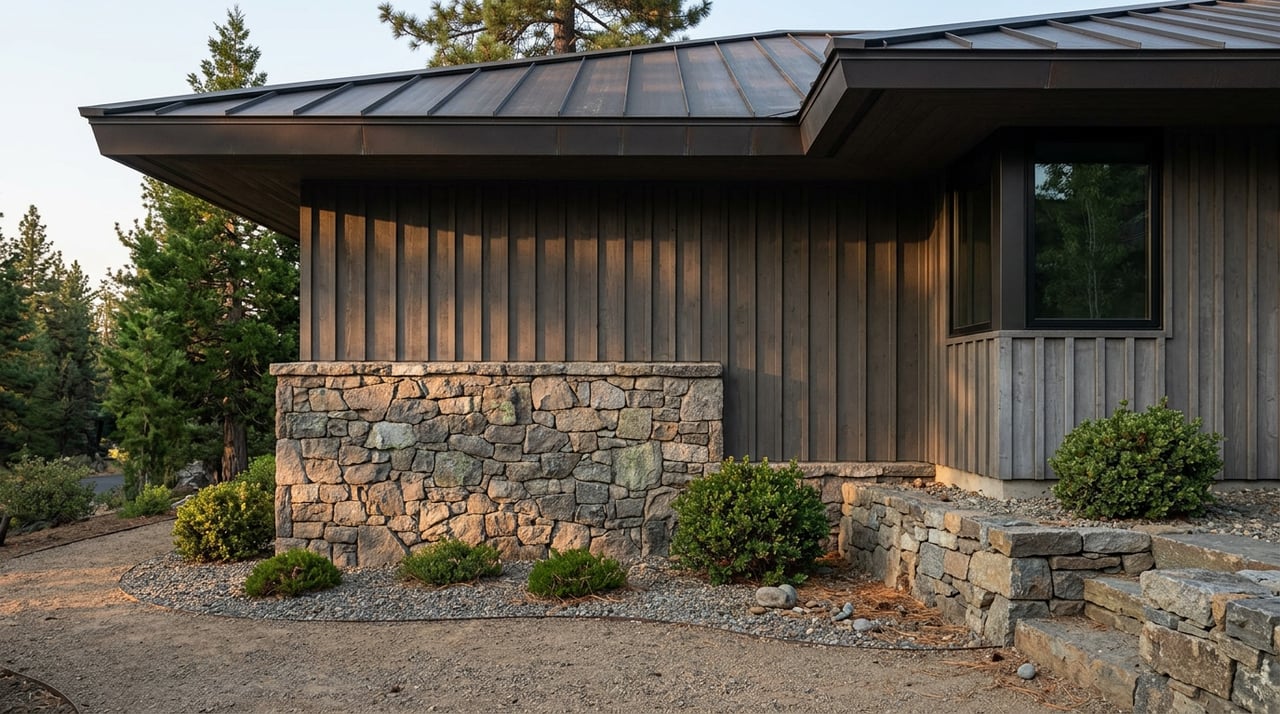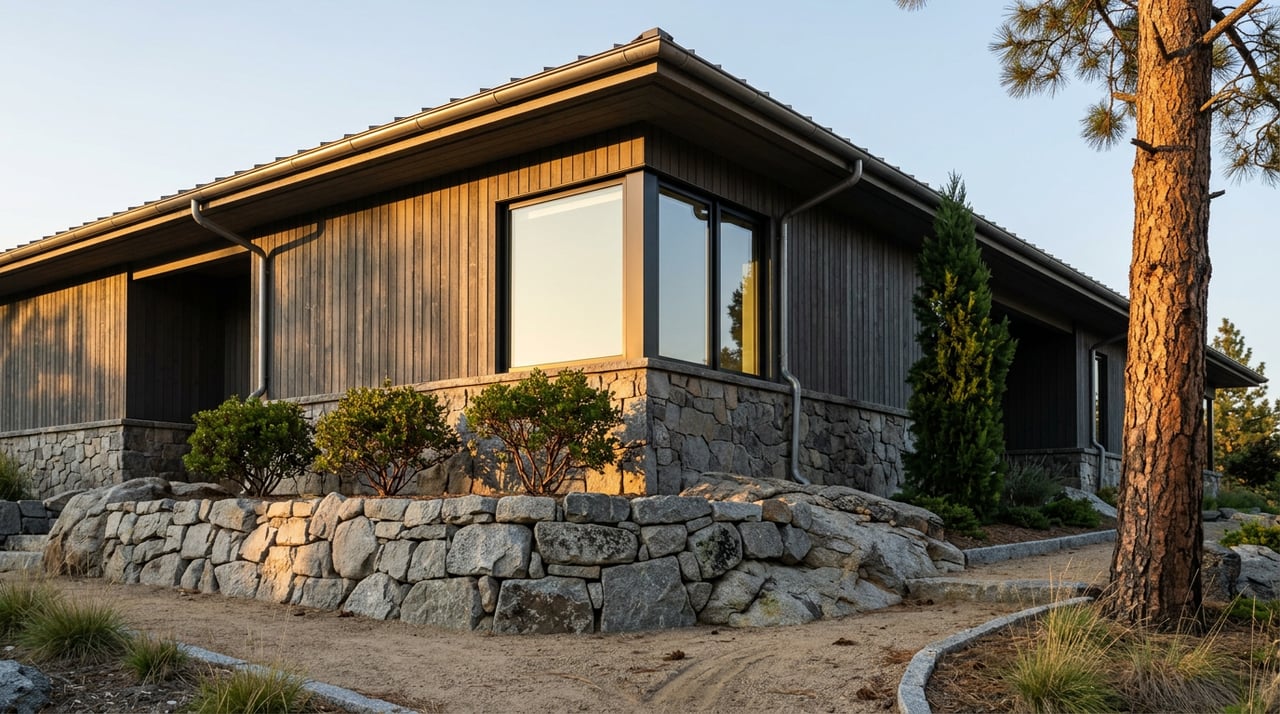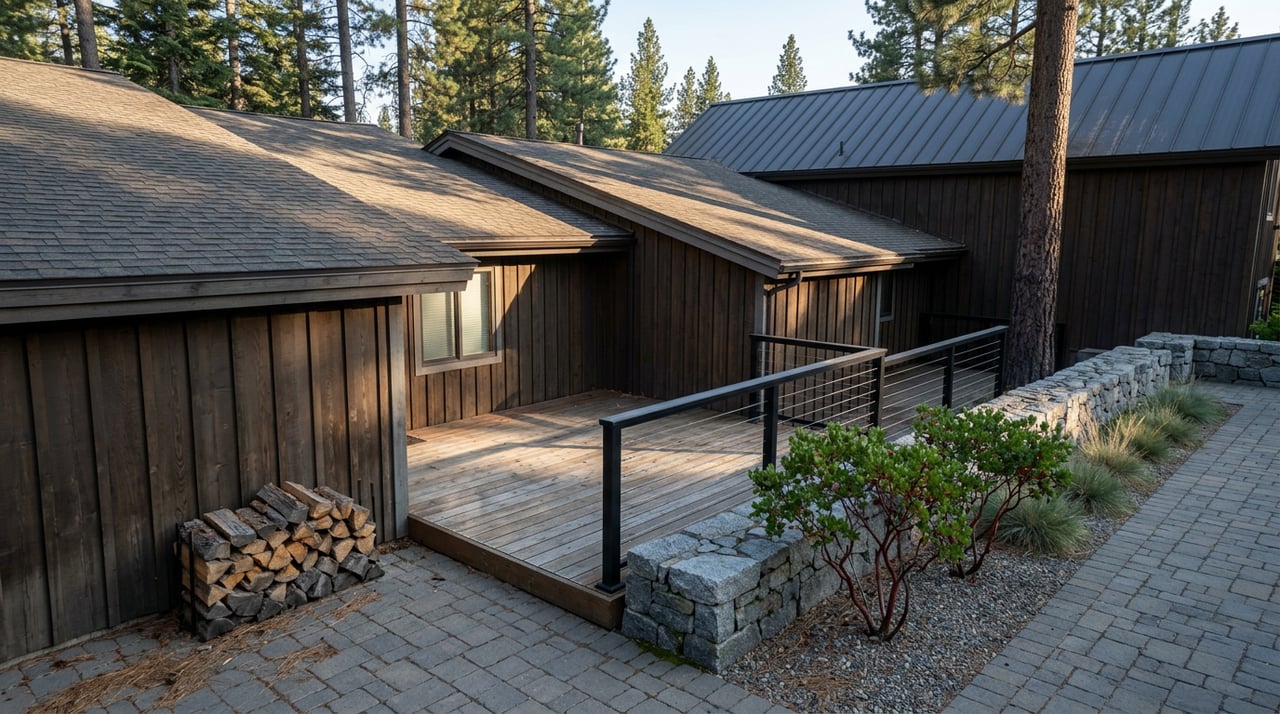
Picture two homes on the same street in Al Tahoe. Same square footage, same year built, same distance to the lake. One holds an active Vacation Home Rental permit. The other doesn't. Until this spring, that gap came down to a tape measure: whether a neighbor within 150 feet had filed first. As of April 23, 2026, the tape measure is gone. What replaced it is a number that behaves nothing like a buffer, and if you're shopping South Lake Tahoe with rental income in the underwriting, that number should change how you read every listing on the block.
Most coverage of the city's new Vacation Home Rental ordinance calls it deregulation. The old spacing rule that kept VHRs 150 feet apart is gone. Condos can apply for the first time. That reads like an open door, and for some streets it is. But the same ordinance installed a hard ceiling of 900 permits in residential zones, and a ceiling behaves differently than a spacing rule ever did. A buffer only ever blocked the lot next door. A cap blocks everyone in the city, all at once, the moment the count hits 900. The friction didn't disappear. It moved from your parcel to a running total the city keeps on a public map.
What the old rule actually cost buyers
Under the ordinance that took effect in July 2025, single-family VHRs outside the Tourist Core had to sit at least 150 feet from another permitted rental. By the March 10, 2026 city council meeting, that rule had produced a specific tally: 382 permits issued in residential areas against 291 denied applications, most of them killed by the spacing rule rather than anything wrong with the property itself. Mayor Pro Tem Keith Roberts, who ultimately voted to strip the buffer out, pointed to a related number in that same debate: the program had never come close to the roughly 1,200 permits it was originally projected to allow.
That's the context the council was reacting to when it voted 3-2 on March 24, 2026 to replace the buffer with something else entirely.
The trade the council actually made
Councilmember Heather Horgan, who supported the change, characterized the new 900-permit cap as a meaningful reduction from the prior program's 1,400-permit ceiling for VHRs outside the Tourist Core. That's the part worth sitting with. This wasn't council loosening the rules and calling it a day. It was a swap: remove a geographic filter that had been blocking specific addresses somewhat arbitrarily, and replace it with a citywide number that will eventually block everyone equally, once it's hit.
Not every council member saw that trade as worth making. Councilmember Scott Robbins voted no, warning the council it was:
"a one-way step into a system that only a court order would reverse"
Whatever your view of the policy, that line captures why this ordinance matters more to a buyer than a typical zoning tweak. Once the 900 slots fill, the only way in is a permit being relinquished or revoked. There's no future council vote that easily undoes a scarcity that's already been claimed.
Where the buffer removal genuinely helps
The unlock is real in specific places. Al Tahoe and Bijou are dense enough that the old 150-foot rule effectively locked out entire blocks once a single home nearby got permitted. Those neighborhoods are back in play now that spacing no longer disqualifies a property outright. Attached condominiums are eligible too, provided the building's HOA doesn't prohibit short-term use, which opens inventory in the Tahoe Keys and other mid-market buildings that the pre-2026 rules mostly excluded by default.
Read the CC&Rs before you assume a building qualifies. Some Keys associations already restrict short-term rentals on their own terms, regardless of what the city now allows.
There's a second exemption worth knowing before you write an offer: commercial and recreational zones aren't subject to the 900-permit cap at all. Properties near the Tourist Core and Ski Run fall under separate rules tied to the Tourist Core Area Plan, which makes a home in that zone a different kind of bet than a residential-zone property competing for one of 900 citywide slots.
What it costs across the county line
If you're weighing South Lake Tahoe against a purchase on the Nevada side or up the North Shore, the tax treatment is part of the math. South Lake Tahoe charges a 14 percent Transient Occupancy Tax on short-term rental revenue. That's a meaningfully higher rate than what applies elsewhere around the basin.
| Jurisdiction | Transient Occupancy Tax |
|---|---|
| South Lake Tahoe (city) | 14% |
| Placer County (North Shore, part of West Shore) | 12% |
| Washoe County, NV (Incline Village, Crystal Bay) | 10% |
That four-point spread against Washoe County compounds against gross revenue on every single booking. It's worth running before you compare cap rates across the state line, not after.
The detail that catches people at the closing table
Here's the one that surprises buyers who assumed a permitted property was permanently permitted. A South Lake Tahoe VHR permit does not transfer with the sale of the home. The city's ordinance restricts permit transfers to a family trust exception used for estate planning. Outside that narrow case, a change of ownership means the new owner has to file a fresh application, competing for a slot against everyone else still trying to get under the 900 cap.
If you're underwriting a purchase around an existing permit, that permit dies with the sale. You inherit the house. You do not inherit the income stream, at least not automatically.
Before you write an offer on anything marketed as rental-ready in South Lake Tahoe, confirm a short list of things directly rather than taking a listing description at its word:
- Which zone the parcel sits in, since residential, commercial, and recreational zones are treated differently under the cap
- Whether the building's HOA allows short-term use, if you're looking at a condo
- Whether an existing permit on the property will actually convey to you, or whether you'll be filing new
- Where the citywide count currently stands against the 900-permit ceiling, using the city's public Issued Permit Map
What this means if you're shopping right now
A residential-zone home without an active permit is now in a race against a fixed number rather than a fight against a specific neighbor's address. That's a different kind of risk to underwrite, and it rewards buyers who verify the zoning and the current count before they fall for a view or a kitchen. A home that already carries a valid, transferable-in-trust permit, or one that sits in a Tourist Core-adjacent zone exempt from the cap altogether, is worth more attention than it would have gotten eighteen months ago.
None of this changes why people want to own here. It changes what due diligence looks like before you sign. If you're comparing a Tahoe Keys condo against an Al Tahoe single-family home, or trying to figure out whether a Ski Run property's Tourist Core exemption is worth the premium, that's exactly the kind of parcel-level detail worth working through with someone who tracks these ordinances as they change, not just when they make headlines.
A few direct questions
Does an existing VHR permit transfer to me when I buy a house that already has one? Not automatically. The city restricts transfers to a family trust exception for estate planning. Outside that, a change of ownership generally requires a fresh application, so confirm the permit's status with the city before you assume it conveys.
What happens once the city hits the 900-permit cap? A waitlist opens. New applicants get added in order rather than starting over from scratch, which is different from how the program worked before this amendment.
Are all South Lake Tahoe neighborhoods subject to the 900-permit cap? No. Commercial and recreational zones, including areas tied to the Tourist Core Area Plan near Ski Run and Stateline, are regulated separately and aren't counted against the residential cap.
If you're trying to figure out what a specific South Lake Tahoe parcel actually qualifies for before you write an offer, that's the kind of zoning and permit-status question worth working through before you fall in love with a listing. Shaye Blazer Todd Frick can walk you through the current permit map, the zone lines that matter, and what a property's rental math looks like once you account for what the ordinance actually changed. Schedule a Private Tahoe Consultation to start there.