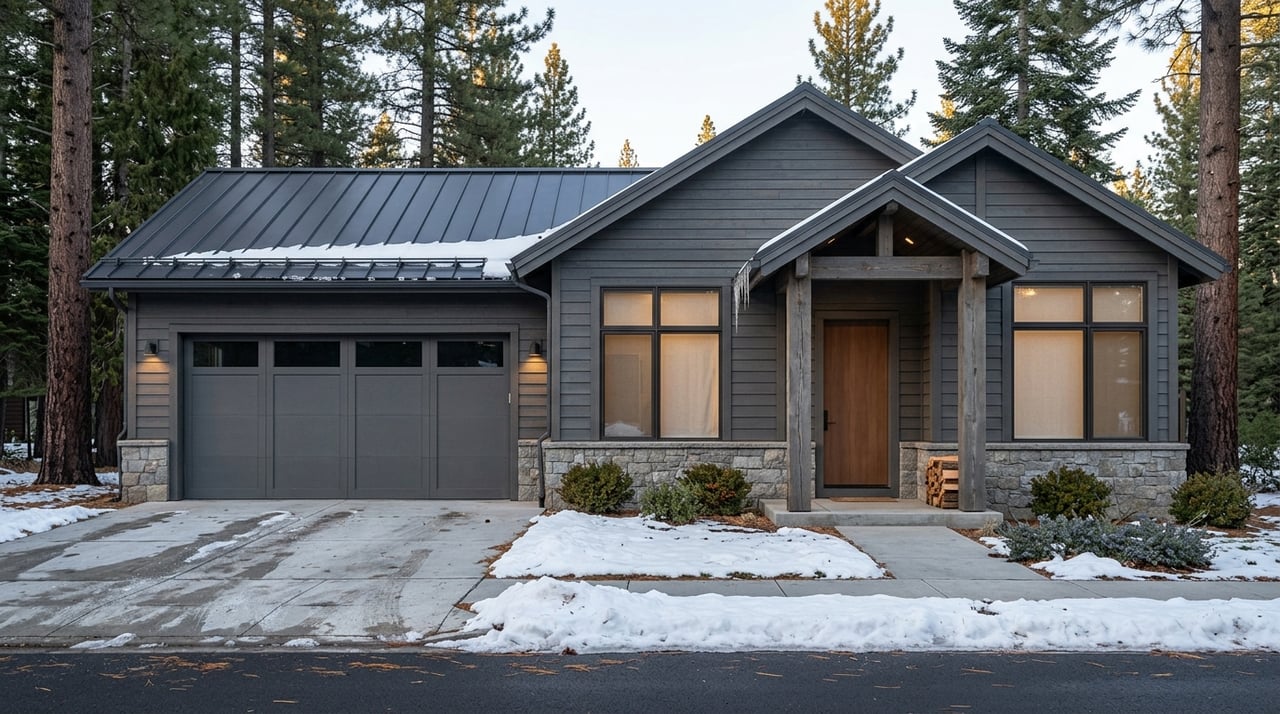
Thinking about buying a vacation home in South Lake Tahoe? It is easy to picture powder days, summer lake weekends, and a place to gather for years to come. But before you fall for the view, it helps to understand that this is a seasonal resort market with its own rules, costs, and ownership realities. If you know what to look for upfront, you can buy with more confidence and fewer surprises. Let’s dive in.
South Lake Tahoe Is a Resort Market First
A vacation home in South Lake Tahoe does not function quite like a typical primary residence. According to the City of South Lake Tahoe housing report, about 49.9% of the city’s housing stock was identified as seasonal or occasional use housing, and the local economy is described as tourism-based, seasonal, and climate-dependent.
That matters because your ownership experience may involve more moving parts than a standard second home in a non-resort town. You are not just buying a cabin or condo. You are buying into a market shaped by weather, tourism cycles, and local regulations.
Expect Older Housing Stock
South Lake Tahoe has a large share of older homes. The city’s housing report notes a median year built of 1971, and more than 79% of housing units were built before 1980.
For you as a buyer, that means charm and location may come with added maintenance. In a mountain climate, older roofs, siding, driveways, and drainage systems can become more important than they might be in milder regions.
Common Home Types You’ll See
The city’s general plan background survey found that sampled housing stock was made up of 75% single-family homes, with smaller shares of multifamily units, condominiums, mobile homes, and single-room occupancy units, according to the same city housing background materials.
In practical terms, you will likely see plenty of single-family options, but condos and other attached homes are also part of the mix. That can be helpful if you want lower-maintenance ownership, though attached housing may come with added HOA review if rental use matters to you.
Budget Beyond the Purchase Price
In South Lake Tahoe, your budget should account for more than mortgage, taxes, and insurance. The age of the housing stock and the demands of winter weather can create a different maintenance profile than buyers expect.
The city’s 2019 housing conditions survey found that while 95% of sampled units were rated sound, common exterior issues included driveway problems (48%), siding issues (10%), landscaping issues (7%), roof repair or replacement needs (5%), and foundation issues (2%). These findings come from the City of South Lake Tahoe housing report.
Items Worth Watching Closely
When you tour homes, pay extra attention to:
- Roof age and condition
- Driveway condition and snow-related wear
- Siding and exterior exposure
- Drainage and runoff management
- Landscaping and defensible space needs
These are not small details in a winter mountain setting. They can affect both your near-term repair budget and your long-term ownership costs.
Fire Safety Is Part of Due Diligence
Wildfire preparedness is a major part of owning property in this area. South Lake Tahoe Fire Rescue states that the city does not allow open burning and requires nothing combustible within 0 to 5 feet of a structure. The city also notes that AB 38 can require sellers in High or Very High Fire Hazard Severity Zones to provide defensible-space compliance documentation before close of escrow, as outlined in the city’s fire prevention guidance.
This means fire-hardening is not just a future project to think about later. It can affect escrow, immediate repair planning, and your overall readiness to own and maintain the home responsibly.
Short-Term Rental Rules Can Change the Math
If you are hoping to offset costs with rental income, short-term rental rules should be one of the first things you verify. In South Lake Tahoe, a permit is required to rent a home for fewer than 30 consecutive calendar days, and the city says a valid permit is required to operate or advertise a short-term rental, according to the Vacation Home Rentals page.
Permits also require annual renewal and an on-site inspection. So if rental potential is part of your buying decision, treat permit eligibility as a core part of value, not a bonus feature.
Important Rule Changes to Know
The city states that amendments approved on March 24, 2026 are scheduled to take effect on April 23, 2026. Under the new framework, residential zones will be subject to a cap of no more than 900 VHR permits, while non-residential zones will not be capped. The city also says the new framework will set a minimum renter age of 25, based on its current VHR guidance.
If you are buying with rental use in mind, timing and zoning can matter. A home that looks ideal on paper may not fit your plans under the current or soon-to-be-effective rules.
Occupancy and Parking Matter More Than You Think
South Lake Tahoe ties vacation rental occupancy limits to both paved parking spaces and bedroom count. The city also says garage parking does not count as designated parking for VHR purposes, per its VHR standards.
That detail can directly affect usability and income expectations. If you are comparing two similar homes, the one with better paved parking may offer more flexibility under the rules.
Other Operating Rules to Know
The city also outlines several operational requirements for vacation home rentals, including:
- One VHR per parcel
- Permit number required in all marketing
- No noise after 10:00 p.m.
- No hot tub or pool use from 10:00 p.m. to 8:00 a.m.
- No weddings or parties
- Bear-safe trash storage required
- No camping or sleeping in tents, campers, trailers, or RVs on the property
For you as an owner, these rules affect guest use, management style, and the type of home that makes sense for your goals.
Factor in City Fees and Ongoing Management
Owning a rental-capable vacation home comes with direct city costs. South Lake Tahoe says transient lodgings rented for 30 days or less are subject to the Transient Occupancy Tax and the SLT Tourism Improvement District fee. The city lists the TOT at 10% generally, 12% at specific redevelopment properties, and the TID fee at $5.50 per night for timeshares and agent-managed vacation home rentals.
The VHR page also lists an application fee of $548, an annual fee that varies by occupancy and location, an inspection fee of $285, and a reinspection fee of $165. These costs should be part of your buy-versus-rent and income analysis from day one.
Remote Owners Should Plan for Local Response
Outside the Tourist Core, the city says a property manager is required, and the local contact must be available 24/7 and able to respond in person within 60 minutes to complaints, according to the city’s VHR program page.
If you live out of the area, that is a major operational detail. Self-managing from another city may not be realistic depending on where the home is located.
HOA Rules Can Override Your Plans
If you are considering a condo or attached home, do not assume city eligibility automatically means rental eligibility. The city says attached condominiums can be allowed to obtain VHR permits only if the applicable HOA rules do not prohibit VHRs, and VHRs remain prohibited in other multifamily dwellings, according to the city’s rental rules.
Before you make an offer, review the HOA’s CC&Rs, rental restrictions, and operating rules carefully. A property can check the city box and still fail the HOA test.
City vs. County Boundaries Matter
One of the most important questions to answer early is whether the property is inside the City of South Lake Tahoe or in unincorporated El Dorado County. El Dorado County says it regulates and enforces VHRs in the Tahoe Basin and West Slope outside incorporated cities, while VHRs within South Lake Tahoe city limits are handled by the city, as explained on the county’s VHR Unit page.
That means your due diligence should start with jurisdiction. Two homes that feel close together on a map may be governed by different rules.
Questions to Ask Before You Buy
Before you write an offer, make sure you can answer these questions clearly:
- Is the property inside South Lake Tahoe city limits or in unincorporated El Dorado County?
- If you want rental income, is the home eligible for a VHR permit under the current rules?
- If it is a condo or attached property, do the HOA rules allow short-term rentals?
- Does the home have enough paved parking to support expected occupancy?
- Are there defensible-space or AB 38 issues that could affect closing or immediate costs?
- Based on the home’s age and condition, what repairs or upgrades should you budget for soon after closing?
These questions can help you avoid buying a home that fits the dream but not the real-world plan.
Buy With a Clear Strategy
Buying a vacation home in South Lake Tahoe can be an incredible lifestyle move, but it works best when you approach it with clear eyes. This market is shaped by seasonality, older housing stock, snow and drainage concerns, wildfire compliance, jurisdiction boundaries, and short-term rental rules that can directly affect how you use the property.
If you want a second home that aligns with both your lifestyle and your long-term goals, local guidance matters. The Frick n' Blazer Group helps buyers navigate Tahoe properties with a thoughtful, high-touch approach that makes it easier to evaluate value, use, and ownership fit before you commit.
FAQs
What should you know about South Lake Tahoe housing before buying a vacation home?
- South Lake Tahoe is a seasonal resort market, and the city reports that about 49.9% of its housing stock was seasonal or occasional use housing, which means ownership often comes with second-home and resort-market considerations.
Why is home condition especially important for vacation homes in South Lake Tahoe?
- Much of the housing stock is older, with a median year built of 1971, and winter weather can increase wear on roofs, siding, driveways, drainage, and other exterior systems.
Can you use any South Lake Tahoe vacation home as a short-term rental?
- No. The city requires a VHR permit for rentals of fewer than 30 consecutive days, and eligibility can depend on zoning, permit availability, property features, and applicable HOA rules.
Do HOA rules affect vacation rental use in South Lake Tahoe condos?
- Yes. The city says attached condominiums may be allowed to obtain VHR permits only if the HOA does not prohibit that use, so reviewing CC&Rs and rental restrictions is essential.
Why do city and county boundaries matter when buying near South Lake Tahoe?
- Properties inside South Lake Tahoe city limits follow city rules, while homes in unincorporated El Dorado County are regulated by the county, so rental rules and enforcement can differ based on jurisdiction.
What extra costs should you budget for with a South Lake Tahoe vacation home?
- In addition to standard ownership costs, you may need to budget for winter-related maintenance, wildfire compliance work, VHR permit and inspection fees, and applicable transient occupancy taxes and tourism fees if you plan to rent the home.