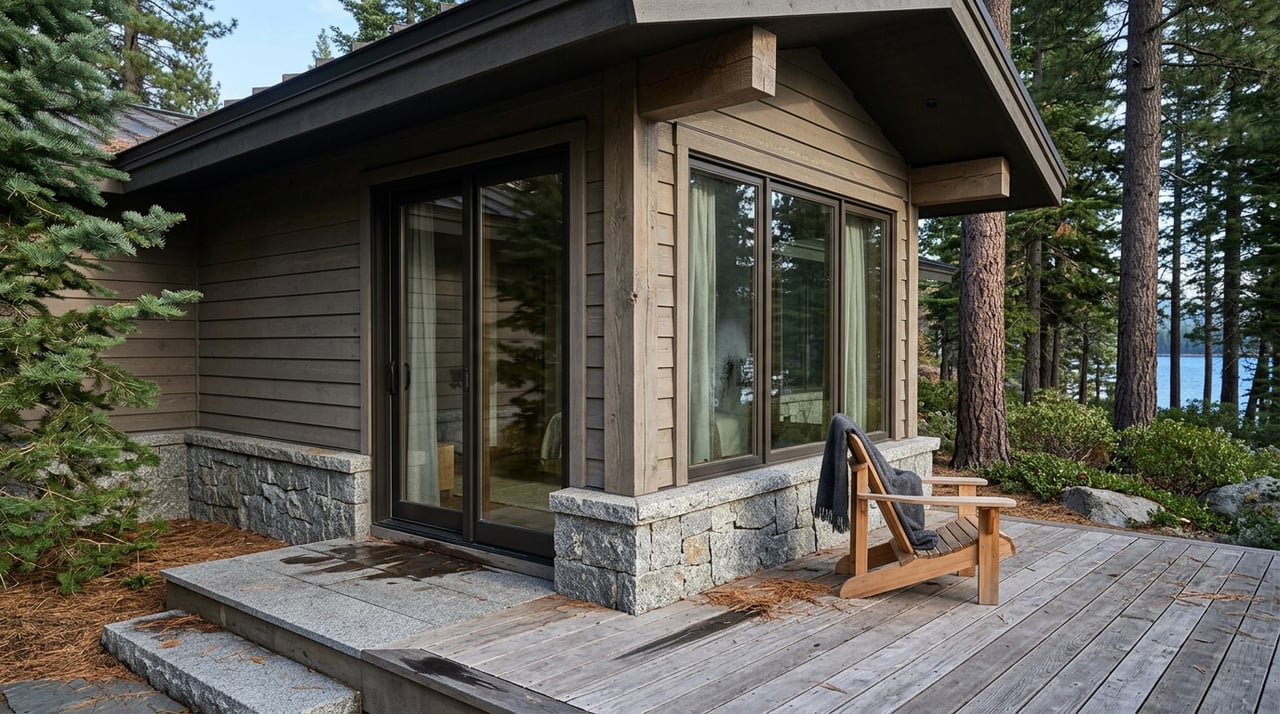
You come to Lake Tahoe for the water and the woods, but you stay on the West Shore for the hush between waves. Mornings start calm, with glassy paddles and trailheads that feel close enough to touch. If you want a quieter base with easy access to parks, beaches, and classic cabins, this stretch fits. Below, you’ll learn how the West Shore works day to day, what home types you’ll find, how TRPA rules affect lake access, and what to expect through the seasons. Let’s dive in.
West Shore at a glance
The West Shore follows State Route 89 along Tahoe’s western edge. On the El Dorado County side, the County’s Tahoe (TED) Area Plan covers unincorporated communities such as Meeks Bay, Rubicon, and parts of Tahoma, and sets the framework for local land use and housing. You can confirm the planning footprint and policy context in the County’s TED Area Plan materials to understand where services and future improvements are focused. For reference, review the County’s TED Area Plan notice of preparation for scope and boundaries in this area: El Dorado County TED Area Plan.
You’ll hear locals describe the West Shore as a corridor rather than one town. Nearby nodes often included in the lifestyle mix are Homewood, Tahoma, Meeks Bay, and Rubicon Bay, with major state parks extending south toward Emerald Bay. County lines cross along the shoreline, so your daily experience is shaped more by the lake and forest than by city limits.
Parks, beaches, and dock days
Public lands define life here. Signature state parks like Sugar Pine Point, D.L. Bliss, and Emerald Bay frame a summer rhythm of beach mornings and long, easy afternoons by the water. These same parks anchor trail access and day-use areas, so you can launch a paddle at first light, hike midmorning, and be back on the dock by lunch.
If you are mapping out your first season, bookmark the state park and boating facilities overview that highlights the West Shore’s marquee park assets, including Sugar Pine Point, D.L. Bliss, and Emerald Bay. It is a helpful primer on where you can swim, launch, and explore: California State Parks boating and access overview.
Trails right out the door
Many neighborhoods sit within minutes of classic routes. The Rubicon Trail contours the shoreline between D.L. Bliss and Emerald Bay, with panoramic lake views and pocket coves for swims. Vikingsholm and Eagle Falls offer a hike-to-history-and-waterfall combo that never gets old. You will also find sections of the Tahoe Rim Trail accessible from the corridor, giving you quick entry to higher-elevation loops and wildflower meadows in spring.
Lake access and TRPA rules that matter
Not every lakefront home comes with a legal buoy, boat lift, or pier. The Tahoe Regional Planning Agency (TRPA) Shoreline Plan regulates moorings and piers around the lake and sets phased allocations for new shoreline structures. These rules directly affect how you use a lakefront property, what you can build or repair, and long-term value.
• Moorings and piers are limited and often allocated through periodic drawings. New moorings and any shoreline work must meet TRPA permitting requirements and Best Management Practices (BMPs). You can review the rule framework in TRPA’s Shoreline Implementation documents: TRPA Shoreline Plan overview and rules.
• Each year, TRPA announces a mooring lottery window for newly available allocations under the Shoreline Plan. Check current timing and details here: TRPA mooring lottery information.
• If you are evaluating a specific parcel, confirm whether there is a registered mooring or shorezone authorization on file. TRPA maintains a public portal for mooring registration and parcel records: Mooring registration and parcel lookups.
Bottom line: if lake access is a priority, verify the legal status of any buoy, pier, or boat lift and plan enough time for approvals.
Homes and neighborhoods you will find
The West Shore blends small, forested cabin clusters with rare, high-value lakefronts. You will see:
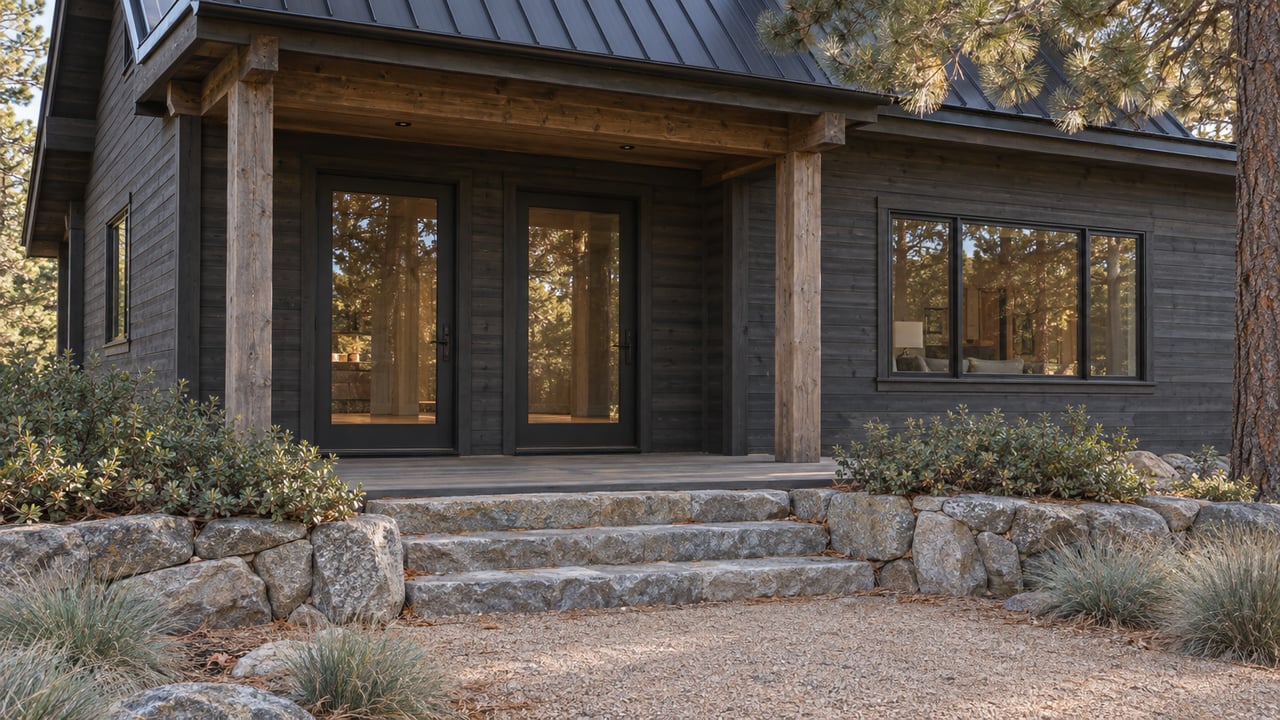
- Old Tahoe cabins and A-frames. Compact, wood-clad, and often tucked into conifers. Many have been lightly updated while keeping mountain character.
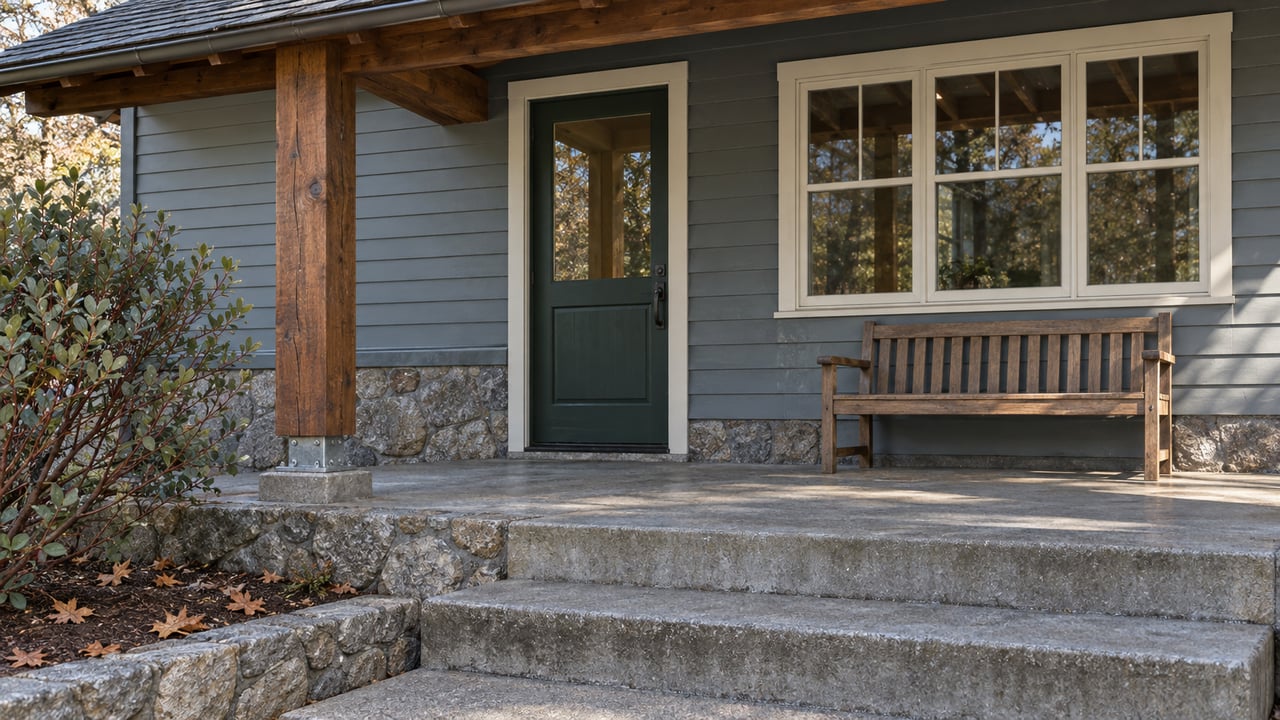
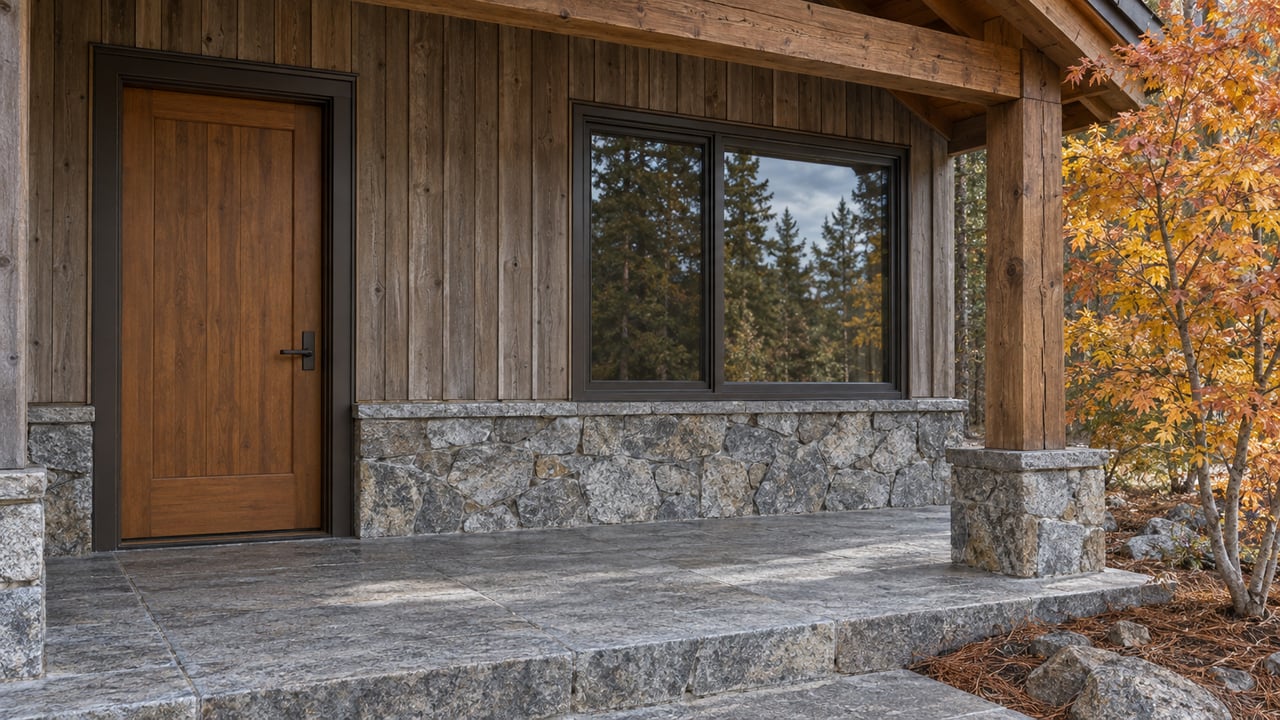
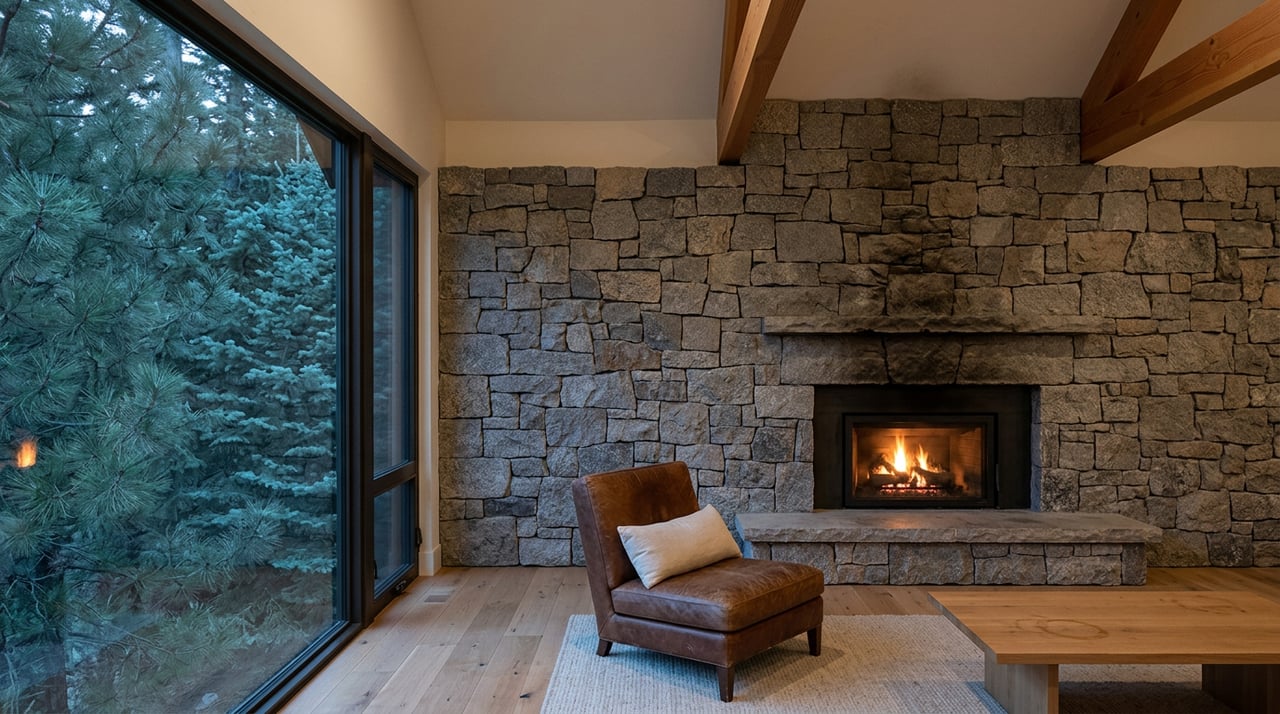
- Mid-century and rustic craftsman homes. Larger footprints, often remodeled, with warm wood, stone accents, and view-facing decks.
- Modern lakefront estates. Limited in number, with premium shoreline features like permitted piers or buoy rights. TRPA shorezone and coverage rules keep these parcels scarce, which supports long-term value for truly usable lakefronts under current policy frameworks described in the TRPA Shoreline Plan.
Seasonal rhythm and year-round vibe
Compared to the busier North and South Lake hubs, the West Shore feels quieter, especially in winter. Neighborhoods like Tahoma and Meeks Bay have smaller year-round populations, which you notice in lighter traffic, open trails, and a slower pace from late fall to spring. In summer, weekends swell with beach days, boats, and park visitors, then settle into calm evenings.
For context on basin demographics and access planning that shape this rhythm, TRPA’s coordinated planning materials flag West Shore tracts like Tahoma and Meeks Bay among the smaller population areas in the basin. That supports the “quiet side” reputation while acknowledging seasonal peaks: TRPA basin planning and demographics.
Winter access and mountain days
State Route 89 is your lifeline to the West Shore. Snowstorms and chain controls can slow travel, and winter parking near popular trailheads is often regulated. Multi-agency work focuses on safety, mobility, and visitor management along this scenic corridor. For a planning backdrop, see the SR-89 corridor appendices and materials: SR-89 West Shore corridor plan.
Homewood Mountain Resort also anchors winter days for many residents. Its operations and master plan are regular topics of local discussion because lift access and parking affect neighborhood traffic and ski convenience. You can follow public updates here: Homewood Mountain Resort master plan.
Practical buyer checklist
Use this quick list as you evaluate properties on the El Dorado side of the West Shore:
- Shoreline status. Confirm whether the parcel has a permitted pier, registered mooring, or shorezone authorization. If not, review timing and feasibility for future allocations under the Shoreline Plan. Start with TRPA’s resources and the mooring registration portal noted above.
- BMPs and coverage. Ask for the TRPA parcel and shorezone history. Best Management Practices, coverage limits, and prior approvals guide what you can build, repair, or add along the shore. See the policy framework in the TRPA Shoreline Plan overview.
- Sewer vs. septic. Verify whether the home is on sewer or a septic system, and check how the County’s TED Area Plan frames infrastructure and permitting for remodels and additions in your area of interest: El Dorado County TED Area Plan.
- Wildfire readiness. Properties sit in forested terrain. Prioritize defensible space, ember-resistant vents, non-combustible materials near structures, and clear emergency access. The El Dorado Fire Safe Council offers free home-hardening and defensible-space assessments: Home assessment program.
- Winter access plan. Budget for snow removal, understand SR-89 controls and parking rules near parks and trailheads, and plan delivery schedules with storms in mind. A flexible approach makes winters smooth.
- Environmental context. Shoreline improvements and habitat restoration are ongoing topics that shape long-term access and use. The Meeks Bay Restoration Project is a key example on the El Dorado side; reading its environmental documents gives helpful perspective: Meeks Bay Restoration environmental review.
Why work with Frick n’ Blazer on the West Shore
You want the quiet, park-rich lifestyle and a property that works as well in February as it does in July. Our team pairs generational design and construction insight with a lifelong local’s knowledge of docks, trails, storm days, and shorezone rules. We help you verify moorings and BMPs, source on-the-water and forested opportunities, and navigate approvals with confidence.
As a Compass-affiliated boutique team, we offer private listing access and premium presentation for sellers and buyers. Remote tours, lifestyle-led search, and concierge guidance make the process simple, whether you are evaluating an Old Tahoe cabin or a rare lakefront estate. Ready to find your place on the quiet side? Connect with the Frick n' Blazer Group to Schedule a Private Tahoe Consultation.
FAQs
Can I keep a boat at my West Shore house?
- Sometimes. Legal buoys, boat lifts, and piers are limited and require TRPA registration and permits, with new moorings allocated through a periodic lottery.
Is the West Shore quiet year-round?
- Yes, especially in winter. Neighborhoods like Tahoma and Meeks Bay have smaller year-round populations, with busy summer weekends and holiday peaks.
What kinds of homes are common on the West Shore?
- You will find A-frames and Old Tahoe cabins, mid-century and rustic craftsman homes, and a small number of modern lakefront estates with premium shoreline features.
How do TRPA rules affect lakefront value?
- TRPA shoreline rules limit and regulate moorings and piers. Verified permits, BMP compliance, and documented shorezone rights can significantly impact usability and value.
What should I plan for in winter on SR-89?
- Expect chain controls and variable travel times during storms. Arrange reliable snow removal and know parking rules near parks and trailheads.
How can I prepare my West Shore property for wildfire?
- Create defensible space, install ember-resistant vents, use non-combustible materials near structures, and maintain clear drive access; free local assessments are available.