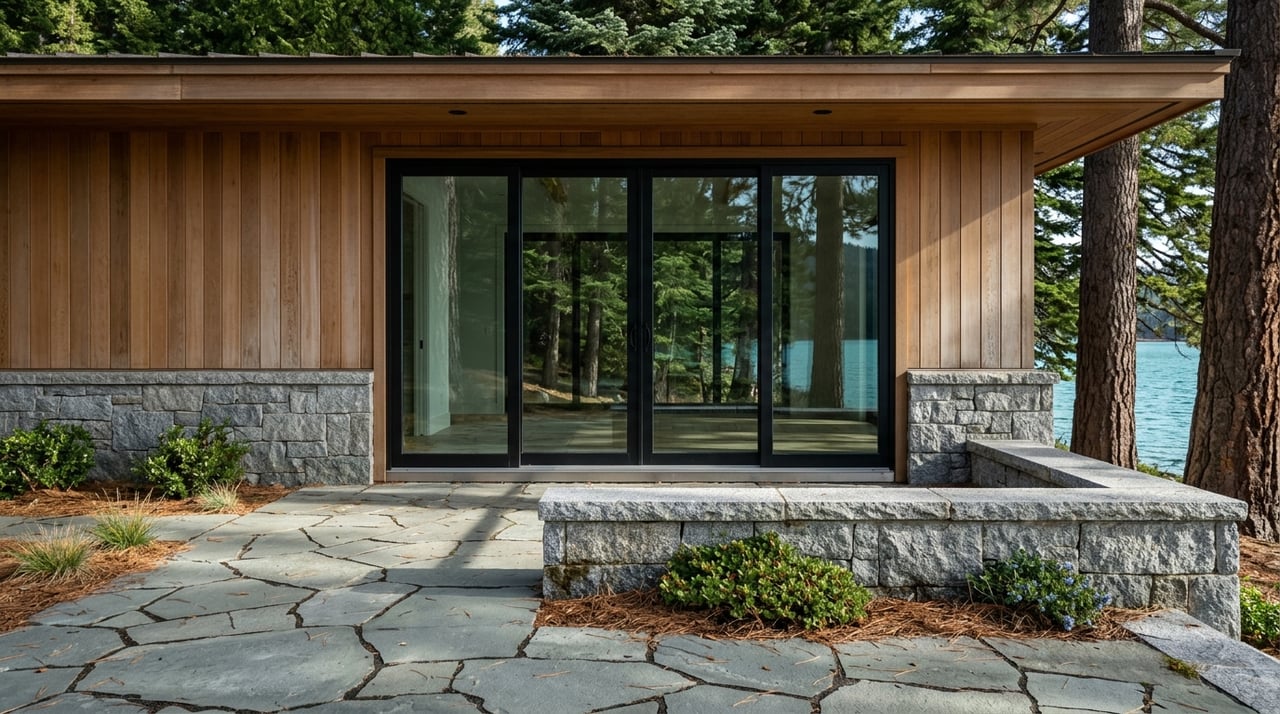
Dreaming about a lakefront home on Tahoe’s West Shore? You are not alone, and you are also not shopping in a typical market. West Shore lakefront is a small, high-value niche where shoreline details, permits, and neighborhood differences can matter just as much as the views. This guide will help you understand what sets these properties apart, what to verify before you buy, and how to move with confidence when the right opportunity appears. Let’s dive in.
West Shore Lakefront Is Not One Thing
When people say “West Shore,” they are often talking about a string of distinct micro-neighborhoods rather than one uniform area. The shoreline stretches from Tahoe City south toward Emerald Bay and includes areas such as Talmont, Tahoe Pines, Sunnyside, Chambers Landing, Tahoma, and Twin Peaks Estates. Along the way, you will find a mix of legacy estates, classic Old Tahoe cabins, and newer custom homes.
That variety is part of the appeal, but it also means one lakefront listing may have very little in common with another. A home in one pocket may offer easy year-round access and a broad beach, while another may trade that for more privacy, deeper water, or a very different topography. If you are comparing options, it helps to look at the exact parcel, shoreline setup, and county jurisdiction rather than relying on the general West Shore label alone.
West Shore Prices Sit in a Rarefied Niche
Lakefront on the West Shore operates in a very thin luxury segment. A year-end 2023 market report put the West Shore lakefront median at $7.95 million. By Q3 2024, that median had climbed to $13.9 million, with an average cost per square foot of $3,315 and only four sales in the quarter.
That small sample size matters. In the first half of 2025, only four lakefront homes sold, all above $5 million, while 29 lakefront homes were on the market and average days on market reached 165. In a market this tight, one or two standout sales can shift the median in a big way.
Recent sales show just how wide the range can be. Examples included a split-lakefront sale at $3.655 million, another West Shore lakefront at $8.5 million, another at $11 million, and a legacy estate at $23.6 million. For perspective, a spring 2026 report showed the median sold price for the entire West Shore, across all property types, at $900,000.
What This Means for You
If you are buying true lakefront, broad West Shore market numbers only tell part of the story. You need to evaluate each property against its own shoreline, utility, legal status, and scarcity. In this segment, two homes with similar square footage can command very different prices based on frontage, pier rights, cove protection, and the condition of existing improvements.
Shoreline Details Can Shape Value
On West Shore, “lakefront” is only the starting point. The shoreline itself can vary dramatically from property to property. Listing examples have ranged from 105 feet of sand and pebble beach to 225 feet of shoreline with a deep-water pier and buoy, and up to a 400-foot frontage legacy estate.
That means your lifestyle goals should drive your search. If you picture easy summer days with direct water access, a sandy or gently sloped shoreline may matter most. If you want to keep a larger boat and use it often, deep-water access and protected conditions may rise to the top.
Key Shoreline Questions to Ask
Before you move forward on a West Shore lakefront home, focus on questions like these:
- What is the actual shoreline type: sand, pebble, rock, or a mix?
- How much frontage does the parcel have?
- Is the property in a cove or more exposed to open water?
- How easy is the access from the house to the lake?
- Are there existing features such as a pier, buoy, boat hoist, breakwater, or shoreline protection?
- Are those features legally established and currently usable?
These details can affect both enjoyment and long-term value. They can also affect what you may or may not be able to modify later.
California Shoreline Rules Need Careful Review
On the California side of Lake Tahoe, shoreline ownership and use come with an added layer of complexity. The California State Lands Commission says the area between the ordinary low-water and high-water marks is subject to a Public Trust Easement, even when the underlying fee is privately owned. The Commission also manages sovereign lands below the water.
For buyers, that means private lakefront ownership does not automatically translate into unrestricted shoreline control. It is important to understand where your parcel rights begin, what areas remain subject to public trust principles, and how existing improvements fit into that framework.
TRPA Permits Matter
TRPA governs shorezone work through its Shoreline Plan and permitting system. Many shoreline projects require both a TRPA environmental review permit and a county or city building permit. TRPA also caps opportunities for new private piers through its pier allocation system.
If a home is being marketed with a pier, buoy, boat hoist, or shoreline protection feature, you will want to verify the legal status of each item. That includes whether the improvement was properly permitted, whether it is registered if required, and whether it remains usable under current rules.
Why Due Diligence Is So Important
A beautiful pier or buoy setup can add meaningful utility and value, but only if it is properly established. The same is true for shoreline protection work and other improvements near the water. In this market, buyers often gain an edge by digging deeper into permits, shorezone history, and parcel-specific use rights before they commit.
County Lines Can Affect the Process
One easy detail to miss is that West Shore spans county lines. Recent listing records show Homewood in Placer County and Meeks Bay in El Dorado County. That is why the parcel’s APN and the correct county office matter during your review.
This may affect where records are held and which local agency is involved alongside TRPA. If you are buying remotely, this is especially important because the address alone may not tell the full story. A careful review of the parcel file can prevent surprises later.
HOA and CID Rules Can Change Ownership Costs
Not every West Shore lakefront home stands completely alone. Many properties are in a homeowners association or common interest development, or in communities with shared roads, beach access, buoy fields, or private marinas. If that is the case, ownership usually includes automatic membership when you purchase.
The California Department of Real Estate says CC&Rs serve as the governing rules for the association. These documents often cover common area responsibilities, assessments, insurance requirements, and architectural control. Associations may also adopt rules related to parking, decks, and landscaping.
Documents to Review Before You Buy
If a property is in an HOA or CID, ask to review:
- CC&Rs and association rules
- Recent board minutes
- Current budget
- Reserve accounts
- Insurance coverage
- Any history of special assessments
This review matters because shared amenities can be a major benefit, but they also come with obligations. Special assessments may be used to fund major repairs or unexpected expenses, and unpaid assessments can lead to liens and foreclosure.
Luxury Features Drive Big Differences
At the top end of the West Shore market, buyers often see a familiar set of premium amenities. These can include deep-water piers, boat lifts or hoists, buoys, boathouses, breakwaters, level lakeside lawns or beaches, guest houses, outdoor kitchens, pools, hot tubs, saunas, wine cellars, and high-end kitchens and primary suites.
Some recent examples illustrate how specialized these homes can be. Listings have included a marina-style pier with a 12,000-pound boat hoist and multiple slips, a deep-water pier with a boat lift and two buoys, and a boathouse paired with a buoy. Others leaned into entertaining with pools, tennis courts, and expansive lakeside gathering areas.
Old Tahoe vs. Turnkey Luxury
West Shore also has a strong sense of character. Some buyers are drawn to legacy estates and Old Tahoe cabins for their texture, history, and setting. Others prefer newer custom homes with updated systems, modern interiors, and a more turnkey ownership experience.
Neither path is better across the board. It comes down to how you want to live in the home, how much work you want to take on, and which features matter most for your time at the lake.
Negotiating in a Thin Lakefront Market
In a market with only a handful of quarterly sales, negotiation is rarely about headline price alone. Recent reports showed sold price to last list price at 97.7% in Q3 2024, while the 2023 year-end report showed 88.8%. That spread is another sign that pricing and leverage can vary from one property to the next.
For you as a buyer, the advantage often comes from preparation. When the right property appears, you may need to move quickly. At the same time, urgency should not replace careful review of permits, HOA documents, title considerations, inspection scope, and closing terms.
Terms Matter Too
In this segment, a strong offer can include more than price. A clear timeline, thoughtful contingencies, and well-organized due diligence can make your position stronger without overreaching. In a private or highly discretionary market, clean execution can be just as important as the number on the first page.
Off-Market Opportunities Can Be Meaningful
Some West Shore sellers value privacy and prefer to test pricing or quietly market a property before it appears on public sites. Compass describes Private Exclusives as properties shared within its network of agents and serious buyers rather than launched publicly right away. This can help sellers avoid public days on market and visible price-drop history.
For buyers, that means some meaningful opportunities may never follow the usual public listing path. If privacy, timing, or discretion matter on the seller side, off-market or semi-private exposure can play a real role in this segment. In a market with limited supply, access and timing can make a difference.
A Smart Buying Approach on Tahoe’s West Shore
Buying a lakefront home here is about more than finding a beautiful house with a pier. You are also evaluating legal shoreline rights, permit history, community rules, parcel-specific traits, and a market where low inventory can distort the data. The process rewards patience, strong local context, and a very clear understanding of how you want to use the property.
If you are considering a West Shore lakefront purchase, it helps to work with a team that understands both the lifestyle side and the property-side details. From remote-friendly touring to off-market access and careful due diligence, the right guidance can make a complex search feel clear and manageable. When you are ready to explore West Shore lakefront with a local, high-touch approach, connect with Frick n' Blazer Group.
FAQs
What makes West Shore Lake Tahoe lakefront homes different from other West Shore properties?
- True lakefront homes sit in a very small luxury niche, with far higher pricing, far fewer sales, and property-specific value drivers such as frontage, piers, buoys, and shoreline access.
What should you verify before buying a West Shore Lake Tahoe lakefront home?
- You should verify shoreline type, frontage, cove protection, access, permit history, TRPA compliance, the legal status of any pier or buoy, and whether the parcel is in an HOA or CID.
Why do county lines matter for a West Shore Lake Tahoe lakefront purchase?
- West Shore spans both Placer County and El Dorado County, so the parcel’s APN and county office matter when reviewing records, permits, and local oversight.
Do HOA rules affect West Shore Lake Tahoe lakefront homes?
- Yes, some lakefront properties are in HOAs or common interest developments with shared roads, beach access, buoy fields, or marinas, and buyers should review CC&Rs, budgets, reserves, insurance, and board minutes.
Are off-market homes common for West Shore Lake Tahoe lakefront buyers?
- Private and off-market opportunities can be meaningful in this segment because some sellers prefer privacy, controlled exposure, and a quieter path to market.