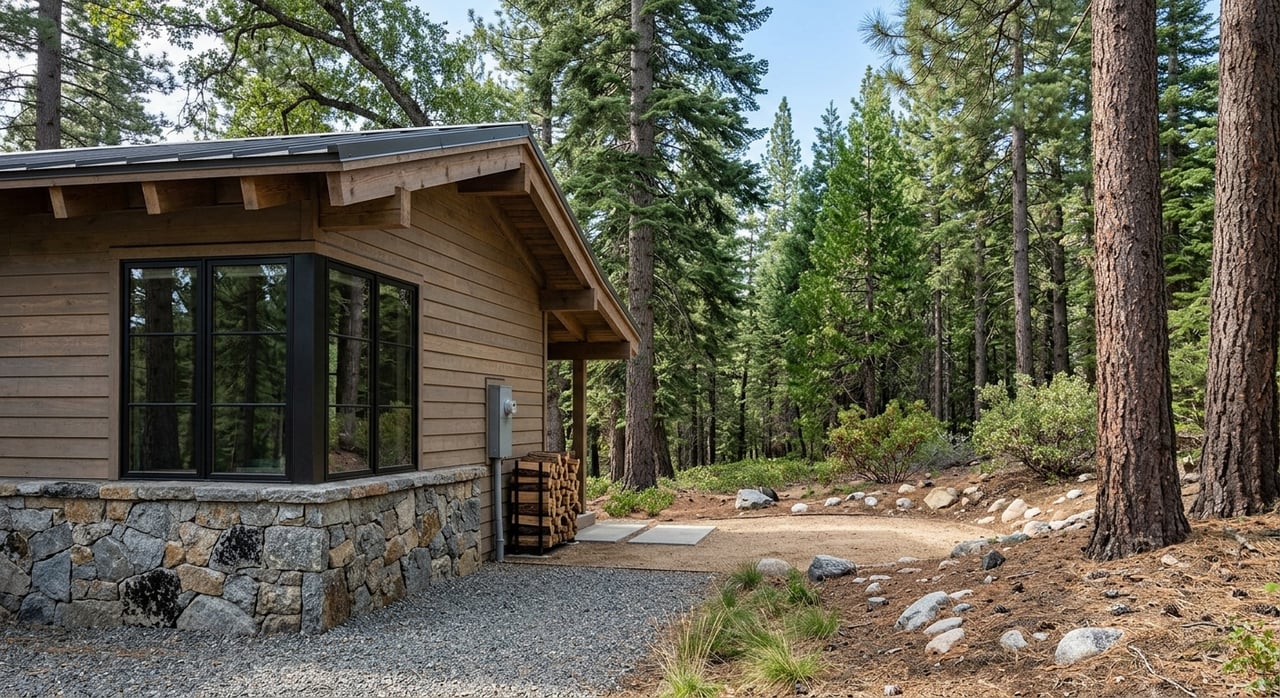
Dreaming about a cabin in the pines or a piece of land where you can build your own mountain escape? In the Nevada City area, that dream can be very real, but it comes with a different set of questions than a typical in-town home search. If you are considering cabins or land near Nevada City, this guide will help you understand the local setting, what kinds of parcels you may find, and the due diligence that matters most before you buy. Let’s dive in.
Why Nevada City Feels Different
Nevada City offers a mix that is hard to fake: a historic downtown core, quick access to trails and open space, and a surrounding landscape of wooded parcels and rural acreage. The city notes that its entire downtown has been a registered National Historic Landmark since 1985, and that setting helps explain why the housing pattern changes quickly once you move beyond the core. You can learn more through the city's overview of trails and open space.
Closer to downtown, residential development is generally clustered around smaller single-family parcels. According to the city’s planning materials, the historic core remains the center of commerce and tourism, while surrounding areas transition toward larger wooded and rural properties. That combination gives buyers a wide range of options depending on how close you want to be to town versus how much privacy and land you want.
Outdoor Access Shapes the Lifestyle
For many buyers, Nevada City is not just about the cabin itself. It is about how the property connects to the surrounding landscape. The area includes local open-space assets like the Hirschman Trail, the Nisenan section of the Deer Creek Tribute Trail, Stiles Mill, and Sugarloaf Mountain, all of which support the outdoor feel close to town.
Beyond city open space, the wider recreation network adds to the appeal. South Yuba River State Park includes part of a 20-mile canyon segment between Malakoff Diggins and Bridgeport, with access points at Edwards Crossing, Purdon Crossing, Highway 49, and Bridgeport. The nearby South Yuba Recreation Area is open year-round for hiking, horseback riding, trail running, and mountain biking.
If you picture a more tucked-away mountain getaway, your search may focus less on a formal neighborhood and more on rural corridors tied to that recreation network. Roads and access points like Highway 49, North Bloomfield Road, Grizzly Hill Road, Tyler Foote Crossing, and Edwards Crossing often frame the kind of setting buyers mean when they say they want a Nevada City cabin feel.
What Property Types You May Find
The Nevada City area is best understood as a spectrum rather than one single housing type. In and near the historic core, you are more likely to find smaller lots and homes with easier access to downtown. Farther out, the pattern shifts toward estate parcels, foothill acreage, and larger forest land.
Based on Nevada County’s land-use framework, minimum parcel designations can vary widely. The county outlines Estate parcels at a 3-acre minimum, while Rural categories range from 5 to 40 acres, and Forest categories range from 40 to 640 acres. You can review these county land-use designations in the Nevada County General Plan land use chapter.
For buyers, a practical way to think about the local inventory is this:
- In-town lots: smaller parcels closer to historic downtown
- Estate parcels: often in the 3- to 10-acre range
- Foothill acreage: commonly 20 to 40 acres in more rural settings
- Larger forest parcels: more remote land farther from services
That framing reflects the county’s zoning structure and the city’s development pattern. It is useful for understanding the search, even though every listing and parcel will be different.
Cabins vs. Raw Land
One of the biggest decisions is whether you want an existing cabin or unimproved land. Both can be appealing, but they involve very different timelines, costs, and risk levels.
An improved property already has a cabin or other built features in place. That can make your path to ownership feel more straightforward, but you still need to verify how major systems are functioning, especially if the property is in a rural area.
Raw land usually means there is no finished dwelling, and in many cases, no confirmed well, septic system, or driveway infrastructure. In Nevada County, those details matter early because a new septic system requires an on-site soils evaluation first, and well permits are regulated through Environmental Health. The county explains more on its sewage disposal requirements and drinking water well information.
Why Buildability Matters So Much
In mountain and foothill markets, the purchase price is only part of the story. A beautiful parcel is not automatically an easy parcel to build on. In Nevada County, permit-clearance requirements show how early buyers need to think about layout and feasibility.
When applying for a building permit, applicants are asked to show the septic tank, leach area, future septic repair area, and well on the site plans. That means questions about soils, water, and usable building area should come up at the start of your search, not after you fall in love with the land. The county outlines this process on its permit clearance page.
If a property already has septic, do not assume that ends the conversation. Nevada County notes that some systems, including pressure-dose and treatment systems, require annual monitoring by a certified septic service provider. More details are available through the county’s septic system information page.
Water, Septic, and Site Basics
For remote parcels, water is often one of the first items to verify. Nevada County states that water wells are commonly the only potable water supply for homes and small communities in the area. If you are buying land, you should confirm whether there is an existing well, whether a new well may be needed, and what documentation is available.
Septic is just as important. A parcel may look ideal on paper, but if soils, slope, or layout create challenges for septic placement, your building plans may change. This is one reason rural buyers benefit from a team that can help connect the dots between the listing, the parcel data, and the practical realities of the site.
Fire Safety Is Part of Buying Here
In the Nevada City area, wildfire planning is part of responsible ownership. Nevada County’s fire hazard pages explain that local zones are based on factors like slope, weather, and fuel loading. The county also states that California law requires 100 feet of defensible space around structures.
Defensible space is not just a maintenance suggestion. The county describes it as a key part of slowing wildfire spread and helping firefighters defend a home. You can review official county guidance on Fire Hazard Severity Zones and defensible space.
If you are evaluating a cabin or land parcel, it is smart to ask early about vegetation management, access for emergency responders, and how the driveway and surrounding terrain may affect evacuation or fire response. Buyers should also check their evacuation zone by address using the county’s recommended Genasys Protect evacuation zone tool.
Road Access Can Change Everything
A mountain property can feel close on a map but operate very differently in daily life. That is why road access deserves as much attention as the home or land itself. You will want to confirm whether the road is public, county-maintained, or private, and whether any future driveway or road work may need approvals.
Nevada County notes that if work affects county-maintained roads, sewer connections, or the county right-of-way, Public Works permits may be required before work starts. Depending on the project, that process can include site plans, insurance, and traffic control documentation.
In practical terms, you should think about more than just whether you can drive there once. Consider whether everyday vehicles, service providers, delivery trucks, and emergency responders can access the property safely and consistently.
A Smart Due Diligence Checklist
If you are serious about buying a Nevada City cabin or land parcel, these are some of the most important items to review early:
- Confirm parcel size, zoning, and overlays through the county’s zoning and parcel information portal
- Check whether the property is improved or raw land
- Verify existing well information or ask what water source is planned
- Review septic status, permit history, and any needed soils work
- Ask about road access, maintenance, and whether permits may be required for improvements
- Review fire hazard zone details and defensible-space expectations
- Identify the evacuation zone by address
- Look at site layout issues such as slope, driveway placement, and potential building area
These steps can help you move from a lifestyle idea to a more confident buying decision.
The Right Team Matters
Nevada City cabins and land can be incredibly rewarding purchases, especially if you want a second home, future getaway, or long-term foothill retreat. But the most successful purchases usually happen when lifestyle goals and site realities are evaluated together.
A practical early-stage team may include your real estate agent, a septic designer or certified septic service provider, a licensed California well driller, and, when needed, a contractor or engineer for access or slope issues. Nevada County’s official parcel, Environmental Health, and permit pages are useful because they bring zoning, fire hazard, well rules, septic feasibility, and access questions into one process.
If you are exploring cabins, acreage, or raw land in Nevada City or the surrounding foothills, working with a local team that understands both the mountain lifestyle and the details behind buildability can save you time and help you buy with more clarity. When you are ready for a guided, remote-friendly search, connect with Frick n' Blazer Group for knowledgeable support tailored to foothill and mountain property buying.
FAQs
What makes Nevada City cabins different from other mountain properties?
- Nevada City cabins often combine access to a historic downtown, nearby open space and trails, and a fast shift into wooded or rural settings once you move outside the town core.
What parcel sizes are common around Nevada City land listings?
- Buyers may see everything from smaller in-town lots to 3- to 10-acre estate parcels, 20- to 40-acre rural parcels, and larger forest acreage depending on location and zoning.
What should buyers check before buying raw land in Nevada City?
- You should verify zoning, parcel size, fire hazard details, road access, well potential, septic feasibility, and overall site layout before moving forward.
Why is septic verification important for Nevada City cabins?
- Septic matters because both new and existing systems may require soils review, permits, monitoring, or site planning that can affect your costs and how the property can be used.
How do buyers confirm fire and evacuation information for Nevada City property?
- Buyers can review county fire hazard guidance, defensible-space requirements, and check the property’s evacuation zone by address through the official county resources.
Where can buyers research zoning and parcel details for Nevada City land?
- Nevada County’s zoning and parcel information portal can show APN, acreage, zoning, General Plan designation, Fire Hazard Severity Zone, and map overlays for specific parcels.