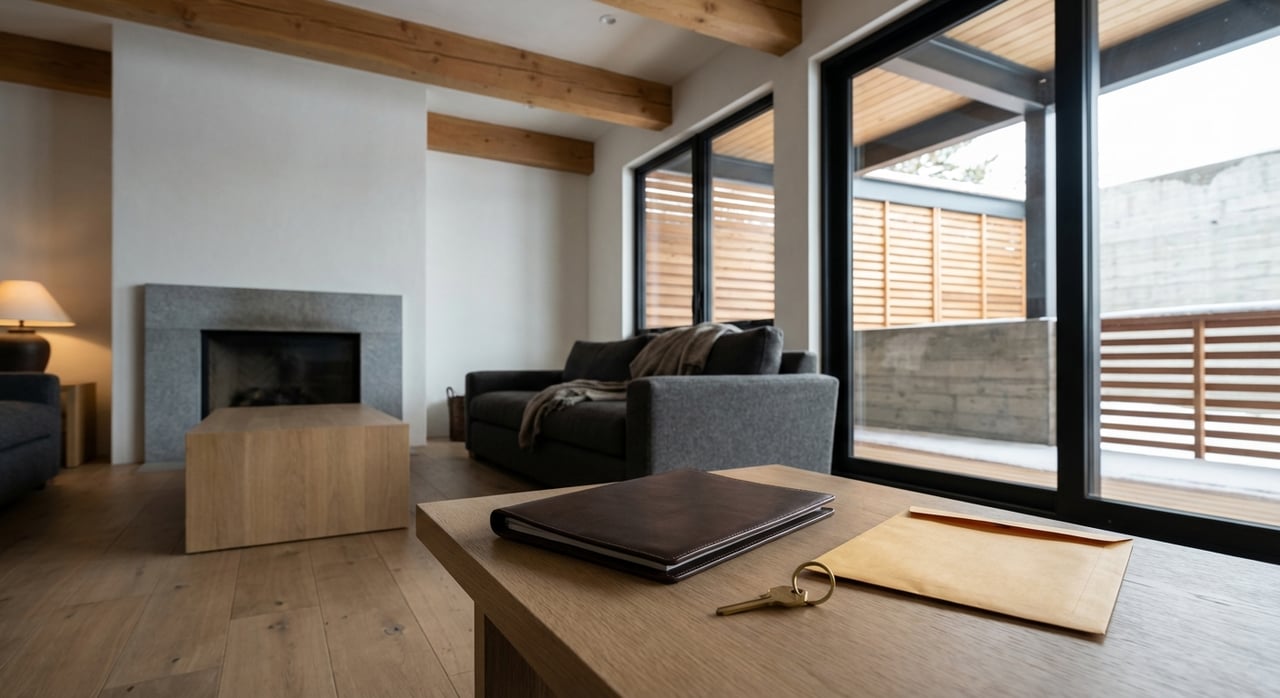
Picture this: it’s Friday at noon, you’re wheels up from the Bay, and by dinner you’re on a deck in Reno with mountain air, great food, and North Lake Tahoe ready for tomorrow. If you’re weighing a Reno second home for weekend escape and occasional rental income, you’re not alone. In this guide, you’ll get clear on prices, neighborhoods, travel logistics, financing and taxes, short‑term rental rules, and the real costs to run a home from afar. Let’s dive in.
Reno market at a glance
Reno offers a wide mix of properties and prices that feel accessible compared with many California resort towns. Recent snapshots put the median in the low to mid $500s for single‑family homes. Redfin reports about $513,000 for January 2026, while Zillow’s Home Value Index shows about $554,000 as of late 2025. Different indexes track different things, but together they frame a realistic range for planning.
You’ll find mostly single‑family homes, plus townhouses and condos. There are also master‑planned communities, especially toward the south and west sides of the city. Closer to downtown, older neighborhoods offer character, tree‑lined streets, and quick access to dining and events. On the edges, newer subdivisions trade charm for space and convenience.
Neighborhood highlights for remote owners
- Somersett (Northwest Reno). A master‑planned golf community with resort‑style amenities and trail networks. HOA fees often run in the low hundreds per month, with some subassociations around $200–$300. Expect a premium for amenities and community feel.
- Damonte Ranch / South Reno. Newer subdivisions, strong value orientation, and straightforward access to the airport and highways. A good fit if you want easy weekend logistics and drive‑to‑Tahoe convenience.
- Caughlin Ranch, Old Southwest, Midtown. Established, closer‑in neighborhoods with older homes, mature landscaping, and short drives to restaurants and events. Attractive if you want city energy with quick mountain access.
HOAs and what they cover
HOA fees vary widely. Master‑planned and golf communities commonly sit in the low hundreds per month, which can include amenity access, snow removal on community roads, landscaping for common areas, and trail maintenance. Many suburban streets have low or no HOA at all. Always confirm what’s covered in a specific community before you buy.
Getting here and around
Reno makes weekend trips easy whether you fly or drive. Typical nonstop air time from Reno–Tahoe International to San Francisco is about 1 hour 35 to 1 hour 45 minutes, which keeps Friday arrivals realistic. Driving between Reno and San Francisco is commonly about 3.5 hours in normal conditions on I‑80. Seasonality and traffic can stretch that window, so give yourself margin during holidays and major storms.
- Tahoe access. Reno is one of the quickest gateways to North Lake Tahoe. Expect about 35 to 60 minutes to North Lake/Incline Village and about 1 to 1.5 hours to South Lake, depending on route and weather. You can scan typical drive times on the official visitor site for the region at TravelTahoe’s driving directions.
- Bay Area drive timing. For planning door‑to‑door travel, check a sample estimate on TravelMath’s Reno ↔ San Francisco drive time.
- Winter driving and chains. Sierra routes can require chains or face temporary closures in heavy snow. If you plan frequent winter trips, consider proper winter tires or all‑wheel drive and monitor chain rules each trip.
Local commuting inside Washoe County is manageable. Mean travel time to work is around 22 minutes based on ACS estimates, which makes daily errands and dinner runs simple compared with many larger metros.
Financing, taxes, and closing logistics
Buying a second home is different from a primary purchase. Lenders treat occupancy and reserves carefully, and your plan for personal use or rentals can change pricing.
Second‑home vs investment loans
Conventional lenders often start second‑home down payments around 10 percent for well‑qualified buyers. That figure can rise with lender overlays, jumbo loans, and borrower profile. See an overview of common practice in Chase’s second‑home down payment guide. If you expect frequent short‑term rentals, underwriting may classify the property as an investment, which usually means a higher down payment, stronger reserve requirements, and different pricing.
Reserve requirements
Many lenders require you to show months of mortgage payments in liquid reserves for a second home. Typical ranges run about 2 to 6 months for conventional second‑home loans, with investment loans higher. For a quick primer on how reserves work, review this reserve requirement overview.
Nevada property taxes and assessments
Nevada’s effective property‑tax burden is often lower than many states. One comparative estimate places Washoe County’s effective rate around 0.46 percent of market value. That is a broad benchmark, not your exact bill. Learn more about county‑level comparisons from the Tax Foundation’s property tax data.
Nevada calculates taxes using assessed value and statutory ratios, and tax districts can add levies. Effective rates differ from the statutory rate applied to assessed value. For the mechanics behind assessments, see the relevant Nevada statute on assessed value and reappraisal cycles. Always verify the current tax bill and district for the specific parcel you’re buying.
State income tax nuance
Nevada does not have a state personal income tax. If you split time with California, residency and domicile rules can be complex. Your license, voter registration, and primary workplace matter. Because tax residency is fact‑specific, talk with a CPA or consult the California Franchise Tax Board before assuming any change in tax status.
Remote‑friendly closings
Nevada allows electronic and remote online notarization for qualifying notaries, which makes fully remote or hybrid closings possible when your lender and title company support it. You can read about RON on the Nevada Secretary of State’s notary page. Ask your lender and title team early about their process and timeline.
Short‑term rentals: rules and taxes
If you plan to rent part‑time, start with jurisdiction. Washoe County enforces its own short‑term rental permitting and inspections for unincorporated areas. The City of Reno and City of Sparks have separate municipal rules. Use the county’s official page to confirm permits, fees, and inspection checklists: Washoe County Short‑Term Rentals.
- Taxes and remittances. The Reno‑Sparks region collects transient lodging tax through the regional authority. Rates are generally about 13 percent depending on district. Review forms and details at the Reno‑Sparks Convention & Visitors Authority finance page. Some platforms collect and remit portions of the tax, but you are often still responsible for registrations and returns.
- HOA and CC&Rs. Even if local rules allow STRs, your HOA or condo CC&Rs may restrict or prohibit them. Check rental minimums, registration requirements, and insurance provisions during due diligence.
Practical permitting steps usually include confirming the parcel’s jurisdiction, reviewing the local STR application, allowing time for inspection, registering a state business license if required, and maintaining proper liability insurance.
Maintenance, risk, and insurance
Second homes cost more to operate when you are remote. Build realistic line items into your plan and get quotes early.
Wildfire exposure and insurance
Parts of the Tahoe basin and nearby Sierra foothills carry elevated wildfire designations. Hazard maps and defensible‑space guidance have been updated in recent years, which affects both insurance pricing and any required home‑hardening or landscaping standards near the lake. Follow regional updates from sources like the Tahoe Daily Tribune’s fire coverage. Insurers have tightened standards in high‑severity zones, so request quotes early and ask about mitigation credits.
Seasonal services and upkeep
- Snow removal. In some master‑planned communities, the HOA covers road plowing. In others, you schedule your own driveway and walkway service. Confirm what your HOA fee includes.
- Routine maintenance. A simple rule of thumb is to budget 1 to 3 percent of home value per year for maintenance and future replacements. Build a schedule for roof, HVAC, water heater, and exterior paint so your home is guest‑ready and protected while vacant.
- Property management. If you plan to rent, long‑term management often runs about 8 to 12 percent of monthly rent, while full‑service short‑term management commonly ranges around 20 to 30 percent of gross booking revenue. Cleaning and turnover fees are typically separate. Get multiple local proposals with seasonal occupancy forecasts before you buy.
Your second‑home buying checklist
Use this quick list to organize your plan and stay ahead of Reno’s seasonal realities.
- Price reality. Plan around a median in the low to mid $500s for single‑family homes, with micro‑neighborhoods varying widely.
- Neighborhood fit. Decide if you want resort‑style amenities (Somersett), value and fast logistics (Damonte Ranch), or closer‑in character near restaurants and events (Caughlin Ranch, Old Southwest, Midtown).
- Travel plan. Compare a 3.5‑hour drive to San Francisco with flight times around 1 hour 35 to 1 hour 45. Build extra time in winter, and be prepared for chain controls during storms.
- Lender preapproval. Get preapproved with a lender that originates in Nevada. Clarify second‑home vs investment classification, expected down payment, and any reserve requirements.
- STR strategy. Confirm the parcel’s jurisdiction and read the local permit checklist. Register with the regional lodging tax authority and verify HOA rules before you write an offer.
- Taxes and insurance. Check the property’s current tax bill and district, then shop homeowners insurance early, especially if the home is near high‑severity wildfire zones.
- Remote closing readiness. Ask your lender and title team about e‑signing and remote notarization options to keep timelines tight.
- Local team. Line up a handyman, HVAC, plumber, and snow service. If you plan to rent, secure a responsive property manager before peak season.
Work with a trusted local team
If you want a Reno basecamp that plays well with Tahoe weekends and remote ownership, you need a partner who understands both the lifestyle and the details. From curated neighborhood scouting to remote‑friendly showings, we help you compare options, stress‑test the numbers, and move fast when the right home appears. Ready to plan your Reno second‑home search? Connect with the Frick n' Blazer Group to schedule a Private Tahoe Consultation.
FAQs
What are typical home prices for a Reno second home?
- Recent snapshots place Reno’s median single‑family price in the low to mid $500s, with Redfin at about $513,000 (Jan 2026) and Zillow’s index near $554,000 (late 2025); specific neighborhoods can vary above or below that range.
How long is the drive from Reno to North Lake Tahoe in winter?
- In normal conditions, it is about 35 to 60 minutes to North Lake Tahoe; winter storms can add significant time, so check weather and chain controls before you go and allow a wider window.
Can I operate a short‑term rental in Washoe County?
- Possibly, but it depends on jurisdiction and compliance; unincorporated Washoe County requires STR permits and inspections, while the City of Reno has separate rules, and you must also follow any HOA restrictions and regional lodging tax requirements.
How much down payment do I need for a second home?
- Many conventional lenders start around 10 percent down for second homes, with higher requirements for jumbo or investment loans; lenders often require 2 to 6 months of reserves for second‑home loans.
How do property taxes work in Washoe County?
- Nevada’s effective property‑tax burden is comparatively low, with one estimate around 0.46 percent of market value in Washoe County; the actual bill depends on assessed value and your tax district, so review the current parcel tax before buying.
Can I close on a Reno home remotely?
- Yes, Nevada allows remote online notarization when your lender and title company support it, which makes fully remote or hybrid closings common for out‑of‑area buyers.